Nearly 900,000 people moved to Florida in 2024 alone, according to U.S. Census Bureau data — and countless more are renovating, remodeling, or dealing with the unique storage demands that come with South Florida living. If you’re one of them, you’ve likely discovered that traditional self-storage facilities don’t always fit the way life actually works here. Driving back and forth across town, hauling boxes in the summer heat, navigating limited access hours — there’s a better way.
Portable storage units bring the storage solution to you. This guide covers everything South Florida and Treasure Coast homeowners need to know about portable storage containers: how they work, when to use them, and how to get the most out of your rental.
What Are Portable Storage Units?
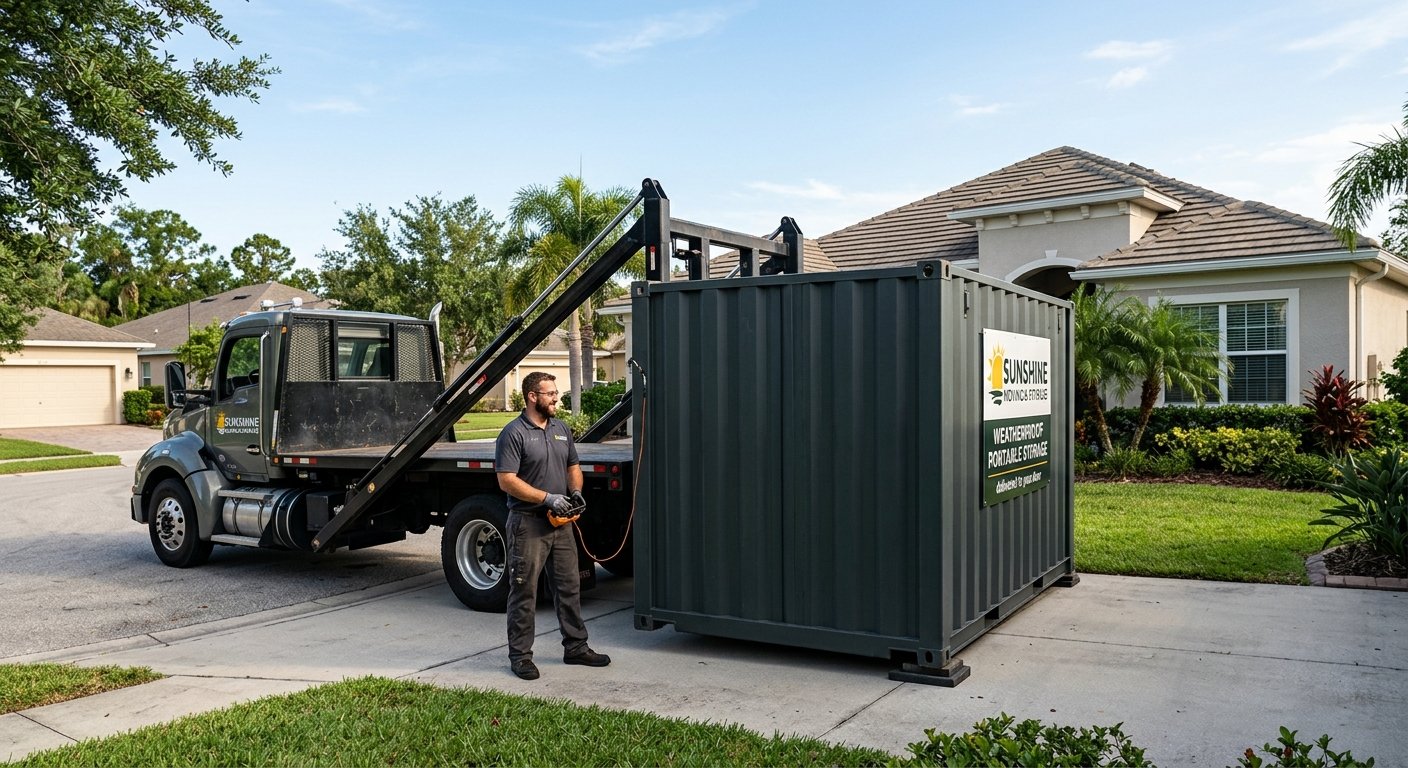
Portable storage containers are weather-resistant steel units delivered directly to your property by a truck. You load them at your own pace, and the container either stays on-site for as long as you need it or gets transported to another location. Unlike traditional storage, there’s no facility to visit, no monthly trip to retrieve a single item, and no deadline to pack everything in one frantic weekend.
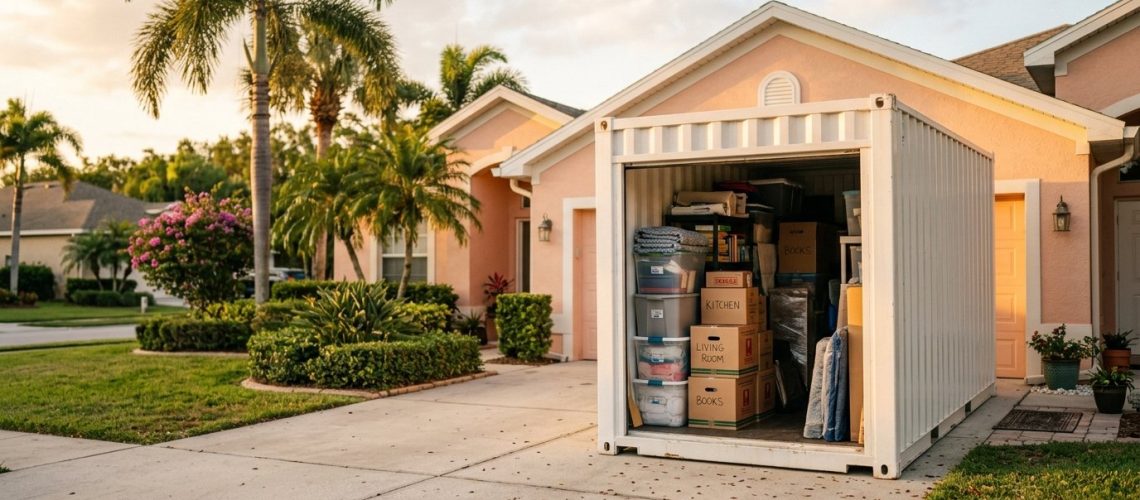
One important distinction worth knowing: quality portable storage units — like those offered through Dash Mobile Storage — are ground-level accessible. That means no climbing ramps, no wrestling with awkward lifts. You walk directly in and out, which makes loading furniture, appliances, and heavy equipment significantly safer and more manageable.
Common Reasons Florida Homeowners Use Mobile Storage Units
Home Renovations and Remodeling
Kitchen gut-renovations, bathroom overhauls, and whole-home remodels are some of the most popular reasons homeowners turn to portable storage rental. When contractors need clear access to work areas, having furniture, cabinetry, and belongings sitting in the way creates delays — and delays cost money.
A mobile storage unit parked in your driveway or on your property keeps your belongings protected and out of the worksite without forcing you to rent a separate off-site facility. You can access your items when needed, reload when the renovation wraps up, and have the container picked up on your schedule.
Moving and Relocation
The traditional moving process — pack everything in one day, load a truck, unload at the new home — rarely goes smoothly. Portable storage containers give homeowners a flexible alternative. Pack and load over several days or weeks, store the unit during any gap between your move-out and move-in dates, and unload at the new home without the pressure of a one-day window.
For families navigating Florida’s competitive real estate market, this kind of flexibility can be the difference between a stressful move and a manageable one. Dash Mobile Storage’s relocation services are designed specifically for these situations, supporting homeowners through every phase of the transition.
Hurricane Preparedness and Storm Season
Florida’s hurricane season runs June through November, and South Florida homeowners know that preparation is never optional. Portable storage units offer a practical option for staging outdoor furniture, equipment, and valuables ahead of a storm — getting them off patios, out of garages, and into a secure container.
It’s important to note that no storage container eliminates all risk during a major storm event. The Federal Emergency Management Agency’s hurricane preparedness guidance recommends securing loose outdoor objects as a key preparation step, and a portable storage unit can support that process by providing a centralized, organized location for those items. Placement and local conditions always matter, and your Dash team can advise on best practices specific to your property.
Decluttering Before a Home Sale
Real estate agents consistently recommend decluttering and depersonalizing a home before listing it. But where does everything go when you’re still living in the house? A portable storage unit parked on-site or nearby solves this problem cleanly. Stage the home, store the excess, and present buyers with the clean, spacious environment that drives faster offers.
What to Look for in a Portable Storage Rental
Durability and Security Features
Florida’s coastal environment is hard on materials. Salt air, humidity, and intense sun accelerate wear on containers that aren’t built for the conditions. When evaluating portable storage containers, look for heavy-gauge steel construction, quality locking mechanisms, and units that have been maintained to a commercial standard — not consumer-grade alternatives.
Dash Mobile Storage draws on 70+ years of logistics expertise through the Armellini Logistics heritage, which means the standards applied to unit maintenance, delivery protocols, and customer service reflect decades of professional-grade operations — not an overnight rental startup.
Ground-Level Accessibility
This feature matters more than most people realize before they start loading. Ground-level accessible storage units eliminate the need for ramps and lifts, reducing injury risk and making it practical to move large furniture, appliances, and equipment without help. For homeowners managing a renovation or move without a full crew, this is a meaningful difference.
Flexible Delivery and Pickup
Life doesn’t move on a fixed schedule, especially during a renovation or move. A reliable portable storage rental provider should offer delivery and pickup windows that work around your project timeline, not theirs. Make sure to clarify what happens if your renovation runs long or your closing date shifts — flexibility here is a real value-add.
Transparent Pricing
Hidden fees are a frustration across the storage industry. Look for providers who offer clear, upfront pricing on delivery, pickup, and monthly rental rates. Affordability is a core value for Dash Mobile Storage, which means customers understand exactly what they’re paying for from the start.
Protecting Your Belongings in Florida’s Climate
Florida’s humidity is a legitimate storage challenge. Even inside a well-constructed storage container, moisture management matters — particularly for wood furniture, upholstered pieces, electronics, and documents.
Here are practical steps to protect your belongings in a portable storage unit:
- Use moisture-absorbing products like silica gel packets or commercial desiccant containers inside the unit.
- Wrap upholstered furniture in breathable covers rather than plastic, which can trap humidity and promote mildew.
- Elevate items off the floor using pallets or shelving to allow air circulation.
- Avoid packing damp items — let everything dry fully before loading.
- Create pathways inside the unit for air to move between boxes and furniture.
According to the U.S. Environmental Protection Agency’s guidance on mold prevention, keeping indoor humidity below 60% is the most effective strategy for preventing mold growth. In a portable container, that means proactive moisture control from the start.
On-Site Storage for Renovations and Construction
Portable storage units aren’t just for homeowners managing household belongings. For properties undergoing major renovations, having a secure on-site container for tools, building materials, and equipment significantly improves project organization and site security.
Contractors and project managers working across the Treasure Coast and South Florida regularly use mobile storage units florida-wide to keep job sites organized and reduce the risk of material theft or weather exposure between work days. If you’re a homeowner managing a contractor relationship, discussing on-site storage early in the project can prevent a lot of disorganization downstream.
Dash Mobile Storage’s on-site storage solutions are built for exactly this use case — reliable, accessible, and positioned to keep your project moving forward.
How to Plan Your Portable Storage Rental
Getting the most from a portable storage rental starts with a little upfront planning:
- Estimate your volume early. Think through every room or area being cleared. It’s generally better to request a larger unit than to discover mid-project that you’ve run out of space.
- Confirm delivery placement. Walk your property before delivery and identify the best spot — flat surface, clear of overhead obstructions, accessible for loading.
- Build a buffer into your timeline. Projects almost always take longer than planned. Build flexibility into your rental period from the start.
- Organize strategically. Load items you’ll need first near the front of the unit. Label boxes clearly — you’ll thank yourself later.
- Communicate with your provider. Your local Dash team understands South Florida and Treasure Coast neighborhoods. Let them know your project type, timeline, and any site-specific considerations upfront.
Frequently Asked Questions
How long can I keep a portable storage unit on my property?
Most portable storage rentals are month-to-month, which means you keep the unit as long as your project or situation requires. Whether you need it for two weeks or several months, the rental period is designed to fit your timeline. Always confirm the terms with your provider upfront.
Do I need a permit to place a portable storage container on my property in Florida?
Permit requirements vary by municipality and county. Some South Florida and Treasure Coast communities require short-term placement permits for containers on residential properties, especially for extended periods. It’s worth checking with your local building or zoning department before delivery. Your Dash team can help point you in the right direction.
Are portable storage containers safe to use during hurricane season?
Portable storage units can be a useful part of storm preparation — helping you secure loose outdoor items before a storm arrives. However, no container eliminates all storm-related risk. Placement, wind exposure, and storm severity are all factors. Work with your provider on placement best practices and follow all local emergency management guidance.
What size portable storage unit do I need for a home renovation?
Size needs vary based on how many rooms are being cleared and what types of items you’re storing. A one-bedroom clearance typically requires less space than a whole-home renovation. When in doubt, choose a larger unit — unused space is far less frustrating than running out of room mid-project.
Can I access my belongings while the container is on-site?
Yes — that’s one of the primary advantages of on-site portable storage rental. Your unit stays on your property, fully accessible whenever you need it, without driving to a separate facility or working around access hours.
Ready to Simplify Your Next Project?
Whether you’re preparing for a renovation, navigating a move, organizing ahead of storm season, or just reclaiming your garage, portable storage units offer a level of convenience and flexibility that traditional storage can’t match. Dash Mobile Storage serves South Florida and the Treasure Coast with ground-level accessible units, transparent pricing, and the kind of logistics expertise that only comes from 70+ years of professional-grade operations.
Explore your options at Dash Mobile Storage’s portable storage units page or contact the local team to discuss your project. Storage on your terms — that’s the Dash difference.