
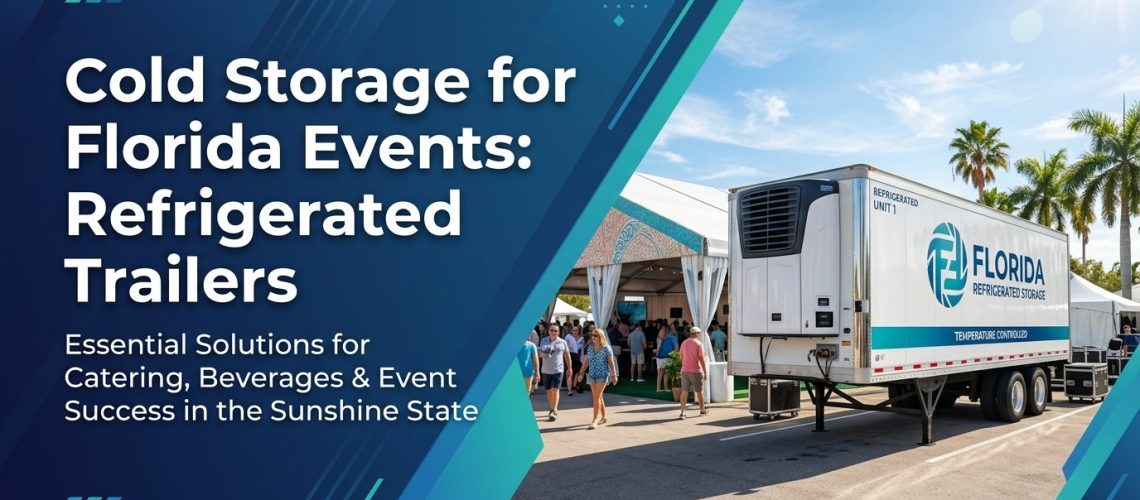
Planning a large-scale event in South Florida comes with unique logistical challenges, and keeping food and beverages at safe temperatures tops the list. Whether you’re organizing a corporate festival, wedding reception, food truck rally, or community celebration, refrigerated trailer rental offers a practical solution when standard kitchen facilities can’t accommodate your cold storage needs.
Mobile cold storage units have become indispensable for event planners, caterers, and venue managers throughout the Treasure Coast and South Florida regions. Understanding when to rent a refrigerated trailer—and how to choose the right specifications—can mean the difference between a successful event and a food safety disaster.
Understanding Refrigerated Trailer Capabilities
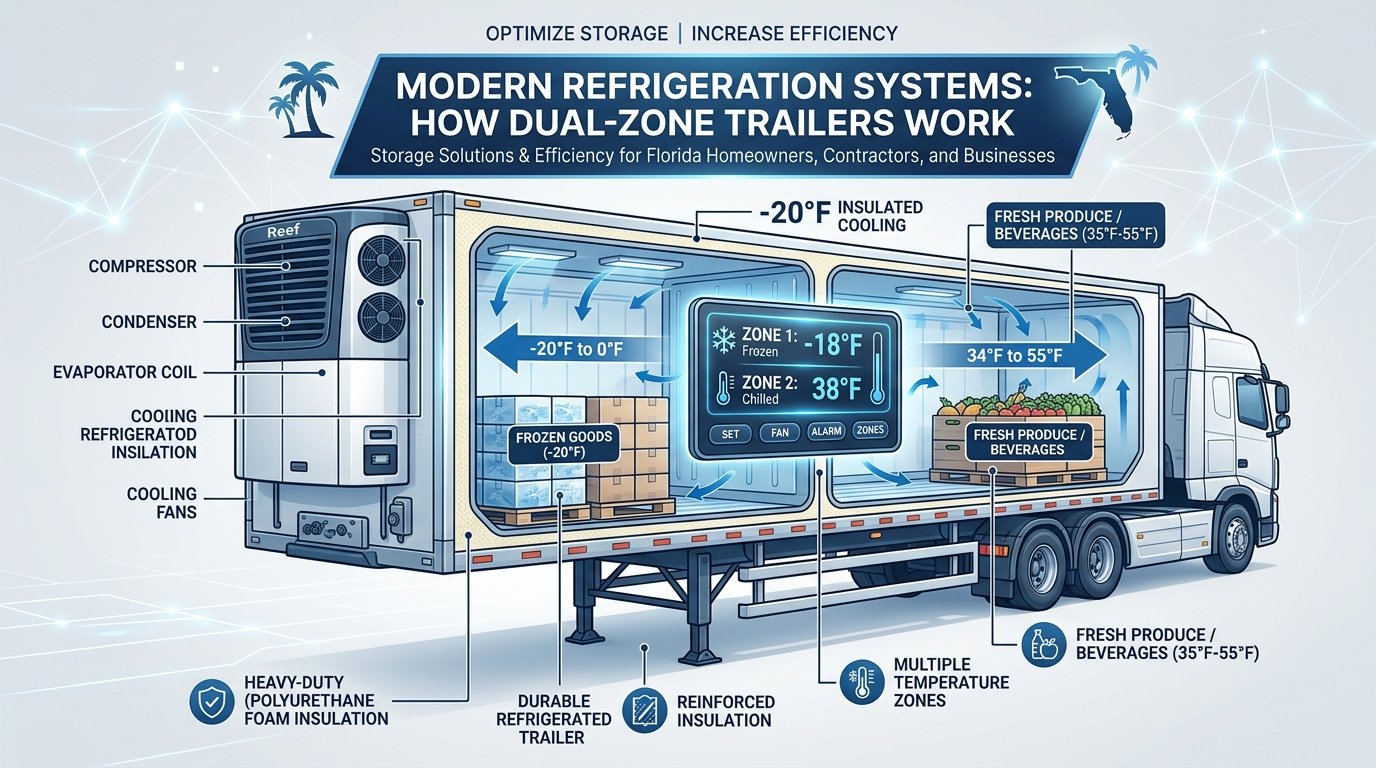
A refrigerated trailer, also known as a reefer trailer rental, functions as a mobile walk-in cooler or freezer. These units maintain precise temperature controls ranging from -20°F for frozen goods to 55°F for produce and beverages. Modern temporary refrigeration solutions feature digital thermostats, backup power systems, and real-time monitoring capabilities.
Standard refrigerated trailers come in various sizes, typically ranging from 28 to 53 feet in length. Smaller units provide approximately 1,500 cubic feet of storage space, while larger trailers offer over 4,000 cubic feet—enough capacity to handle food service for events hosting thousands of guests.
The insulated walls, typically four to five inches thick, maintain consistent internal temperatures even when external conditions reach the sweltering highs common across Florida during peak event season. Ground-level accessibility makes loading and unloading significantly easier compared to traditional dock-height units, particularly important for catering teams working against tight event timelines.
When Events Require Mobile Cold Storage
Large-Scale Catered Events
Any event serving more than 200 guests typically exceeds standard kitchen refrigeration capacity. Weddings, corporate galas, and festival food vendors rely on event cold storage to maintain proper food temperatures throughout multi-hour events. Caterers can prep food days in advance, storing everything from appetizers to desserts in controlled conditions right on-site.
Beach weddings and oceanfront receptions present additional challenges, as permanent structures rarely exist at these picturesque locations. A refrigerated trailer rental positioned near the event site provides essential cold storage where none would otherwise be available.
Food Festivals and Culinary Events
Food truck rallies, seafood festivals, and farmers markets require substantial refrigeration infrastructure. Multiple vendors often share mobile cold storage units, splitting rental costs while ensuring health department compliance. South Florida’s renowned food scene hosts dozens of culinary events annually, and temporary refrigeration solutions have become standard equipment for event organizers.
The Stone Crab Festival in Miami, seafood celebrations throughout the Keys, and agricultural fairs in Palm Beach County all depend on refrigerated trailers to keep products fresh from arrival through final service.
Emergency Restaurant Support
When restaurant refrigeration systems fail during peak season or during renovations, businesses face potential inventory losses totaling thousands of dollars. Reefer trailer rental provides immediate backup storage while permanent repairs proceed. Restaurants can continue operations without menu limitations or food waste.
Hurricane season adds another dimension to this need. When storm warnings trigger power outages, restaurants and grocery stores transfer perishable inventory to generator-powered refrigerated trailers, protecting both products and profits.
Corporate and Promotional Events
Product launches for food and beverage brands, promotional sampling events, and corporate hospitality tents at sporting events all require reliable cold storage. These events often occur in convention centers, parking lots, or outdoor venues where built-in refrigeration doesn’t exist.
The Miami International Boat Show, art festivals in Delray Beach, and spring training events across South Florida regularly utilize mobile cold storage for hospitality operations serving premium clientele.
Florida-Specific Considerations
Heat and Humidity Challenges
South Florida’s tropical climate places extraordinary demands on refrigeration equipment. Ambient temperatures regularly exceed 90°F with humidity levels above 80%. These conditions force refrigeration units to work harder, consuming more power while maintaining internal temperatures.
Quality refrigerated trailer rentals account for these challenges with oversized compressors, enhanced insulation, and dual-zone capabilities. When evaluating rental options, confirm the unit’s specifications match Florida’s demanding climate requirements.
Hurricane Preparedness
Hurricane season runs from June through November—coinciding with many outdoor event schedules. Event planners must consider contingency plans for refrigerated trailer placement, including secure anchoring systems and backup power capabilities.
Many Florida businesses maintain relationships with refrigerated trailer providers specifically for storm preparation. When hurricanes threaten, these mobile units become emergency storage for perishable inventory, reducing potential losses during extended power outages.
Power Supply Reliability
Refrigerated trailers require consistent electrical power, typically drawing 30 to 50 amps depending on unit size. Event venues don’t always provide adequate electrical infrastructure, necessitating generator rentals alongside refrigeration units.
Coastal events face additional challenges with saltwater corrosion affecting electrical connections. Working with experienced providers—like those backed by Armellini Logistics’ 70+ years of experience—ensures proper power planning and backup systems protect your cold storage throughout the event.
Sizing Requirements for Different Events
Determining appropriate refrigerated trailer size depends on guest count, menu complexity, and event duration. A simple beverage service for 300 people requires substantially less space than a multi-course plated dinner for the same number.
General sizing guidelines include:
- Small events (100-200 guests): 28-foot trailer providing approximately 1,500 cubic feet
- Medium events (200-500 guests): 40-foot trailer offering roughly 2,500 cubic feet
- Large events (500-1,000+ guests): 53-foot trailer with over 4,000 cubic feet
- Multi-day festivals: Multiple units or larger trailers with zone controls
Menu composition matters significantly. Events featuring ice cream, frozen desserts, or seafood towers require freezer capabilities alongside standard refrigeration. Dual-temperature trailers accommodate both needs within a single unit.
Cost Considerations and Rental Timelines
Refrigerated trailer rental costs vary based on size, duration, and additional services like delivery, setup, and power supply. Daily rates typically range from $200 to $500, with weekly and monthly rates offering better value for extended events or multiple-day festivals.
Additional cost factors include:
- Distance from rental facility to event location
- Generator rental if venue power isn’t available
- Climate control specifications (freezer vs. cooler temperatures)
- Monitoring services for temperature alerts
- Fuel costs for generator operation
Book refrigerated trailers at least two weeks before major events, though four to six weeks ahead is recommended during peak season (November through April in South Florida). Hurricane season requires even earlier booking, as storm preparation depletes available inventory quickly.
Health Code Compliance and Food Safety
Florida Department of Health regulations mandate specific temperature controls for different food categories. Potentially hazardous foods must remain below 41°F, while frozen items require 0°F or colder. Temporary refrigeration solutions must meet these standards consistently.
Event planners should verify that rental units include:
- Digital temperature monitoring with external displays
- Alarm systems alerting to temperature fluctuations
- Sanitary interiors meeting commercial food service standards
- Adequate air circulation preventing hot spots
- Documentation proving proper maintenance and calibration
Health inspectors may visit permitted events, and non-compliant cold storage can result in event shutdowns. Partner with reputable providers who understand food service regulations and provide properly maintained equipment.
Operational Best Practices
Pre-Event Planning
Coordinate trailer placement with venue managers well before event day. Consider proximity to food prep areas, vehicle access for delivery and pickup, and electrical connections. Ground-level accessibility simplifies loading but requires adequate space for ramps or stairs.
Create a loading plan organizing items by temperature requirements and retrieval frequency. Place frequently accessed items near the door, while long-term storage items can sit further back.
During the Event
Minimize door openings to maintain consistent temperatures. Assign specific staff members responsibility for cold storage access, preventing random traffic that compromises temperature control. Use plastic strip curtains at the entry to reduce cold air loss during necessary openings.
Monitor temperatures hourly, documenting readings for health department compliance. Most modern units provide automatic logging, but manual verification ensures systems function properly.
Post-Event Procedures
Schedule trailer pickup only after complete unloading and cleaning. Remove all food products, wipe down surfaces, and dispose of packaging materials properly. Rental agreements typically include cleaning requirements, with fees assessed for units returned in unsanitary conditions.
Alternatives to Refrigerated Trailers
While refrigerated trailers offer maximum capacity and reliability, smaller events might consider alternative temporary refrigeration solutions. Walk-in cooler rentals provide similar capabilities in modular units better suited to tight spaces. Refrigerated containers offer another option, though these typically require forklift placement and lack the ground-level accessibility of trailers.
For beverage-only events, ice trucks or refrigerated vans might suffice. However, these options provide limited space and less precise temperature control compared to full reefer trailer rentals.
Making Your Rental Decision
Event cold storage represents a critical infrastructure component that protects food safety, preserves inventory value, and ensures guest satisfaction. The investment in proper mobile cold storage prevents catastrophic losses from spoilage while meeting regulatory requirements.
When evaluating refrigerated trailer rental options, prioritize providers with strong reputations, well-maintained equipment, and responsive customer service. The Treasure Coast and South Florida regions demand providers who understand local climate challenges and can deliver reliable solutions even during peak hurricane season.
Ready to secure cold storage for your upcoming event? Contact Dash Mobile Storage to discuss your temporary refrigeration needs. With ground-level accessible units and support from Armellini Logistics’ decades of experience, we’ll help you choose the right mobile cold storage solution for events of any scale. Our team understands South Florida’s unique requirements and provides dependable service when your event’s success depends on it.