Nearly 40 million Americans relocate each year, and a significant portion of them hit the same wall: the closing dates don’t align, the new place isn’t ready, or there’s simply too much stuff to move in one shot. If you’re planning a move in South Florida or along the Treasure Coast, temporary storage isn’t a backup plan—it’s often the smartest move you can make.
This guide walks you through exactly how to use temporary storage during a move, from deciding when you need it to packing smart and getting your belongings delivered to the right place at the right time.
Why Temporary Storage Makes Moves Easier
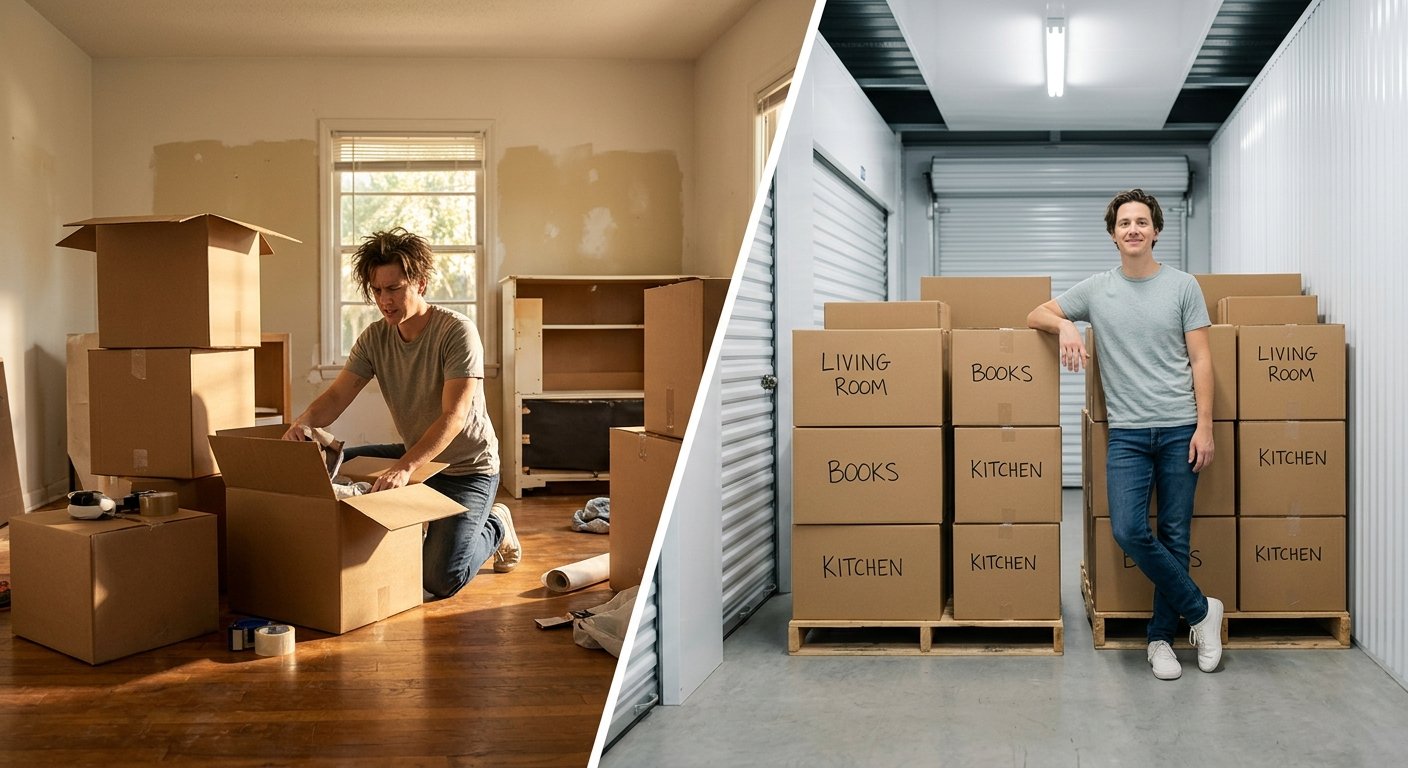
Moving is rarely a clean, single-day transaction. Sellers need time to vacate. Buyers need time to close. Renovations run long. These gaps create a logistical problem that most people underestimate until they’re standing in a half-empty house with no place to put their furniture.
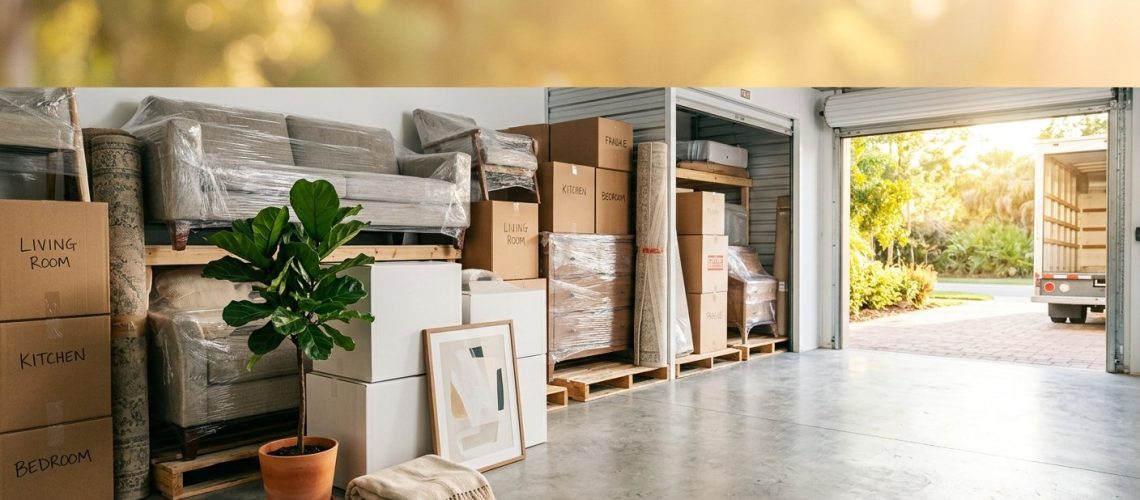
Temporary storage during a move gives you a buffer—a secure, accessible place to hold your belongings while the pieces of your move fall into place. Instead of rushing decisions or storing items in a family member’s garage, you keep control of your timeline and your things.
For South Florida homeowners specifically, that buffer also protects your belongings from the unpredictable conditions that come with transitional periods: unexpected rain, humidity exposure in open trucks, or items sitting unprotected during an extended move-out process.
Step 1: Determine If You Actually Need Temporary Storage
Not every move requires a storage solution, but many do. Ask yourself these questions:
- Is there a gap of more than a few days between your move-out and move-in dates?
- Are you downsizing and need time to decide what to keep?
- Is your new home undergoing renovations before you move in?
- Are you staging your current home to sell and need to reduce clutter?
- Do you have large or valuable furniture that can’t be rushed into a truck?
If you answered yes to even one of these, temporary storage is worth considering. According to the U.S. Census Bureau, interstate and local moves often involve multi-week transitions, making intermediate storage a practical necessity rather than a luxury.
Step 2: Choose the Right Type of Moving Storage Container
When it comes to moving storage containers, you have options—but not all of them are equal for Florida conditions or convenience.
Portable Storage Units Delivered to Your Door
Portable storage containers for moving are delivered directly to your location, loaded at your pace, and picked up when you’re ready. This is the model Dash Mobile Storage uses: ground-level accessible units that sit right in your driveway, eliminating the need to rent a truck just to get your belongings into storage.
The ground-level access is especially valuable in South Florida, where humidity and heat make hauling boxes up ramps or into tall trucks unnecessarily exhausting—and risky for your back and your belongings.
Traditional Self-Storage Facilities
Off-site self-storage requires you to rent a truck, load it, drive to the facility, unload, and then repeat the process in reverse. For a move that’s already stressful, this adds labor, cost, and time you probably don’t have.
For most residential moves, portable storage for moving is the more practical choice because the unit comes to you—not the other way around.
Step 3: Inventory and Prioritize Your Items
Before you request a unit, take stock of what you’re moving and what actually needs to go into temporary storage. Not everything has to be stored—only what can’t go directly to your new home.
Create a simple three-column list:
- Essential items — things you need daily during the move (clothes, documents, electronics)
- Storage items — furniture, seasonal items, decor, extra kitchen supplies
- Donate or discard — anything you’ve been holding onto but won’t bring to the new place
This exercise also helps you estimate unit size. Most single-family home moves in South Florida fit comfortably in a standard portable unit, but larger homes or multi-room staging projects may need more space. Talk to the team at Dash Mobile Storage to get a realistic size recommendation based on your situation.
Step 4: Pack Strategically for Short-Term Storage
Packing for temporary storage is slightly different from packing for a permanent move. Here’s what experienced movers and logistics professionals recommend:
Label Everything for Retrieval, Not Just Location
When items go into short-term storage, they need to be easy to find when you retrieve them. Label boxes on multiple sides and include contents, not just room names. “Master Bedroom – Bedding + Extra Pillows” is more useful than “Bedroom” when you’re searching a packed unit.
Protect Against Florida’s Humidity
Even with a high-quality portable unit, Florida’s humidity is worth planning around. Use moisture-resistant packing materials for wooden furniture, wrap upholstered pieces in breathable furniture bags, and avoid storing anything that’s sensitive to humidity without proper protection. The EPA’s guidance on mold and moisture offers practical tips for preventing humidity-related damage in enclosed spaces.
Load Heaviest Items First
When packing a ground-level storage unit, place heavy furniture and appliances at the back of the unit and stack progressively lighter boxes toward the front. This creates a stable load and gives you easier access to items you might need before the full move is complete.
Step 5: Plan Your Timeline Around Key Dates
One of the biggest advantages of portable storage for moving is flexibility. Unlike hiring a moving company for a single date, a portable unit can stay in your driveway for days or weeks as your timeline shifts.
Map out these key dates before you schedule your unit:
- Move-out deadline — when does your current home need to be vacated?
- Move-in availability — when can you actually access your new property?
- Renovation or repair window — if work is being done, when is it expected to finish?
- Buffer days — add at least 3-5 days to whatever your “best case” scenario looks like
Share these dates with your storage provider so delivery and pickup can be coordinated around your actual needs, not a rigid schedule.
Step 6: Coordinate Delivery and Pickup Logistics
For residential moving storage, the logistics of where your unit sits matters more than most people realize. Before delivery, confirm:
- There’s a flat, accessible surface for placement (driveway, parking pad, or permitted street space)
- There’s enough clearance for the delivery vehicle to maneuver
- You know local HOA rules, if applicable, about container placement duration
- Your new address is confirmed and accessible for final delivery
Dash Mobile Storage’s team is locally based in South Florida and the Treasure Coast, which means they understand the practical realities of neighborhood layouts, HOA communities, and tight residential streets in this region—something a national company simply can’t replicate.
How Temporary Storage Supports Other Moving Goals
Residential moving storage doesn’t just solve timing gaps. It also opens up strategic options for sellers and buyers.
Staging a home for sale: Decluttered, depersonalized homes sell faster and often at higher prices. Storing extra furniture during the listing period removes visual clutter without forcing you to permanently part with belongings before you’re ready.
Renovation buffer: If your new home needs updates before you move in—new floors, a kitchen refresh, fresh paint—a portable unit keeps your furniture and boxes protected and out of the way while work is completed. Explore how on-site storage supports renovation projects from start to finish.
Downsizing transitions: Older homeowners moving from a large family home to a smaller space often need time to make thoughtful decisions about what to keep. Temporary storage creates that breathing room without the pressure of an immediate decision.
For those coordinating a full relocation, Dash Mobile Storage’s relocation storage services are designed to support exactly these kinds of multi-stage moves.
Frequently Asked Questions
How long can I keep a portable storage unit during a move?
Rental periods for portable storage units are flexible and can range from a few days to several weeks or longer. The right duration depends on your move timeline. It’s best to discuss your specific dates with the storage provider upfront so you can plan accordingly without rushing the process.
What size storage unit do I need for a residential move?
For most two- to three-bedroom homes, a standard portable unit is sufficient for the items that won’t fit in a single moving truck load. Larger homes or those with significant furniture may require additional space. Dash Mobile Storage can help you estimate the right size based on a quick conversation about your home and what you’re storing.
Is temporary storage during a move worth the cost?
When you factor in the cost of renting a truck multiple times, the risk of rushed decisions, and the stress of tight timelines, temporary storage typically pays for itself. For Florida moves where timing gaps are common, having a secure interim solution often saves money and headaches in the long run.
Can I access my belongings while they’re in storage?
Yes. One of the key benefits of portable storage units is that they remain accessible during the rental period. Ground-level containers, like those offered by Dash Mobile Storage, are particularly easy to access without needing ramps or heavy equipment.
How do I protect wooden furniture and upholstery in a storage unit?
Use breathable furniture covers rather than plastic sheeting, which can trap moisture. Elevate items off the floor with pallets or boards when possible, and consider moisture-absorbing packets inside the unit. Wrapping wooden pieces in moving blankets also helps prevent scratches during loading and unloading.
Ready to Simplify Your Move?
Moving doesn’t have to feel like a logistical puzzle with no good solution. With the right temporary storage plan, you control the timeline, protect your belongings, and reduce the stress that comes with trying to make every date line up perfectly.
Dash Mobile Storage brings 70+ years of logistics experience—through the Armellini Logistics heritage—to every delivery. We serve homeowners, contractors, and businesses across South Florida and the Treasure Coast with ground-level accessible units that come to you.
Explore your options with our portable storage units or contact our local team today to get started with a solution that fits your move, your timeline, and your budget.