
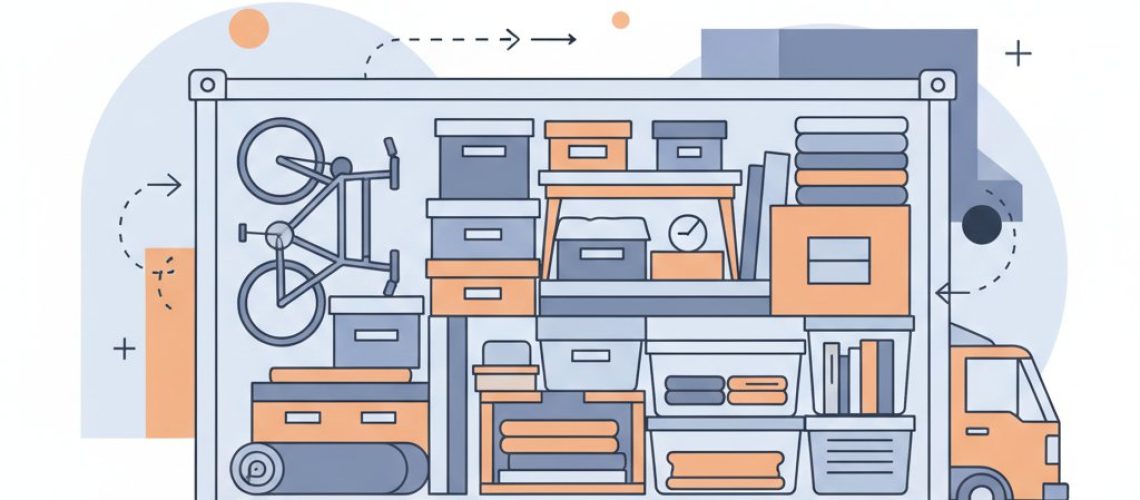
When you rent a portable storage unit, every cubic foot matters. Whether you’re managing a construction project, preparing for a move, or storing business inventory, the difference between a well-organized container and a cluttered one can mean the difference between needing one unit or two. Smart organization maximizes your investment and makes accessing your items infinitely easier.
The challenge isn’t just fitting everything inside—it’s creating a system that keeps items protected, accessible, and efficiently arranged. With the right approach, you can often fit 30-40% more into the same space while maintaining easy access to the items you need most.
Start with Strategic Planning Before Loading
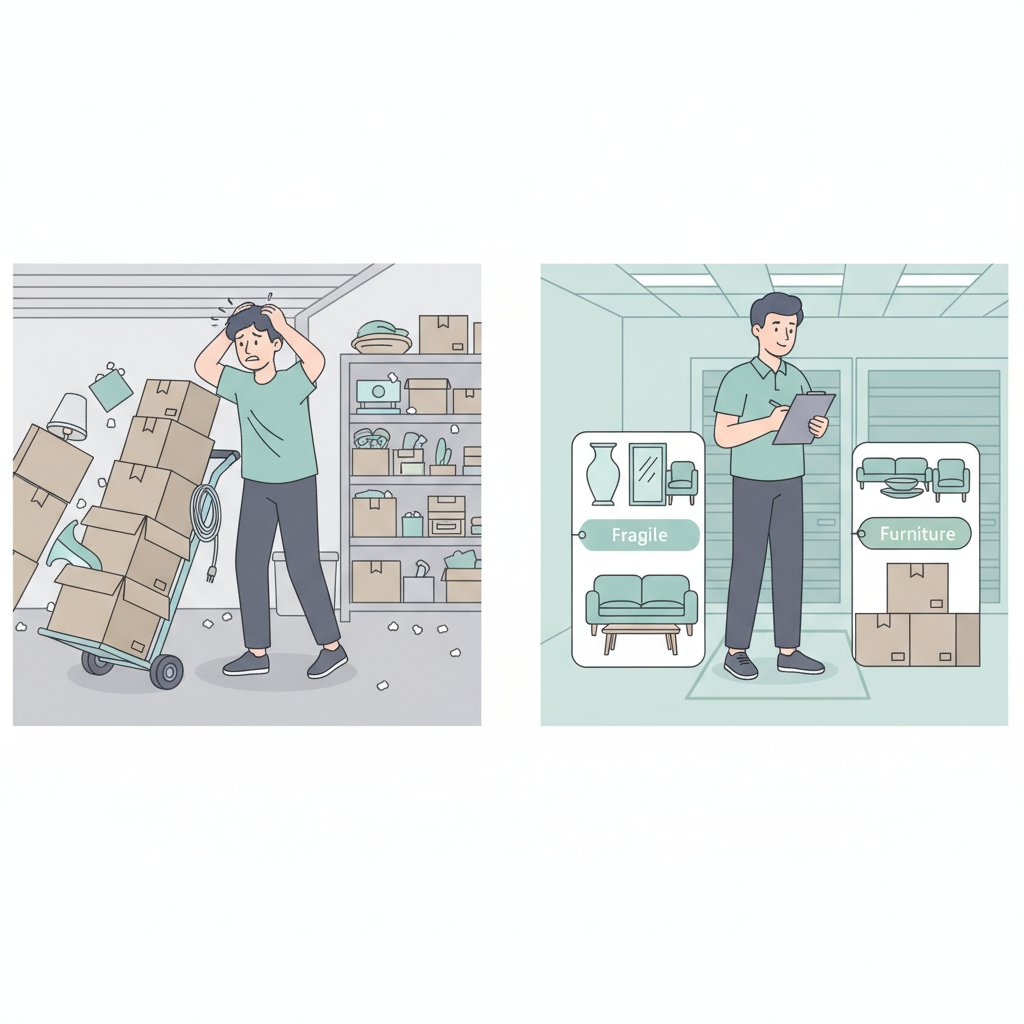
The biggest mistake people make is loading items as they gather them, without a plan. This reactive approach wastes space and creates frustration later when you can’t find what you need.
Begin by creating an inventory list. Group items by category: fragile items, large furniture, boxes, irregular shapes, and items you’ll need to access frequently. This mental map becomes your loading blueprint.
Consider the timeline for your storage needs. If you’re storing construction materials on-site, you’ll need frequent access to tools and supplies. Homeowners preparing for renovations might need to retrieve specific items mid-project. Business owners managing inventory should organize by stock rotation needs. Your access requirements directly influence your organization strategy.
Measure your largest items and sketch a rough floor plan. Portable storage units come in various sizes, but knowing your dimensions helps you visualize placement. Ground-level accessible units make loading and unloading easier, allowing you to position heavy items without navigating ramps.
The Foundation Layer: Heavy and Large Items First
Your bottom layer sets the foundation for everything else. Start with your heaviest, largest items—furniture, appliances, and equipment. These pieces should go against the walls and toward the back of the unit.
Place furniture strategically. Stand sofas on end to save floor space. Remove table legs if possible and store them inside drawers. Flip tables upside down and stack chairs on top. Headboards and mattresses can stand vertically along walls, creating additional surface area.
For construction professionals using on-site storage, heavy equipment and bulk materials belong in back corners. This positioning keeps frequently-accessed tools and supplies near the door while maintaining stability.
Create weight distribution that prevents tipping or shifting. According to the Federal Motor Carrier Safety Administration, proper weight distribution is essential for safe transport and storage. Even in stationary containers, balanced loading prevents damage and makes the unit safer to access.
Protect Vulnerable Surfaces
Before stacking anything on furniture surfaces, place cardboard, moving blankets, or plywood sheets as protective barriers. This simple step prevents scratches, dents, and pressure marks. In South Florida’s humidity, these barriers also create air circulation that helps prevent moisture damage.
Building Vertical Space: The Middle Layers
Once your foundation is set, focus on vertical organization. Mobile storage containers typically offer 7-8 feet of internal height—use every inch.
Stack uniform boxes like building blocks, heaviest on bottom and lighter on top. Label all boxes on multiple sides with contents and room destinations. Use a numbering system and keep a master inventory list on your phone for easy reference.
Fill hollow items. Dressers, filing cabinets, and appliances become storage within storage. Pack clothing in dresser drawers, office supplies in filing cabinets, and smaller boxes inside dishwashers or washing machines. This technique maximizes space while providing extra protection for delicate items.
Create aisles if space allows. Even a narrow 18-inch pathway down the center gives you access to items without unpacking the entire unit. For contractors storing materials long-term, this accessibility prevents wasted time searching for specific supplies.
The Tetris Principle
Think like you’re playing Tetris. Irregular spaces between large items become opportunities for smaller boxes or bags. Slide flat items like mirrors, artwork, or building materials into narrow gaps. Fill every void, but avoid overstuffing to the point where items become compressed or damaged.
Specialized Packing Techniques for Different Items
Different categories require specific approaches to maximize space and protection.
Business Inventory and Supplies
Businesses using portable storage rental for inventory should implement a first-in, first-out system. Place oldest stock toward the front for easy rotation. Use clear bins or well-labeled boxes so employees can quickly identify contents without opening everything.
Install temporary shelving if your storage period extends beyond a few weeks. Freestanding wire shelving units don’t require mounting and dramatically increase usable vertical space. This investment pays off when you can organize small parts, documents, or retail merchandise systematically.
Construction Materials and Tools
Store lumber, piping, and long materials vertically when possible, secured to prevent shifting. Group tools by trade or project phase. Keep safety equipment and frequently-used tools in clearly marked, accessible containers near the entrance.
Power tools and precision instruments should be in weatherproof cases. While quality portable storage solutions offer weather-resistant construction, Florida’s coastal environment demands extra precaution for valuable equipment.
Household Goods During Moves or Renovations
For homeowners using relocation services or storing belongings during renovations, organize by room and priority. Create a “first day essentials” section near the door with bedding, toiletries, basic kitchen items, and important documents.
Disassemble furniture completely. Legs, hardware, and assembly instructions should be taped to the corresponding furniture piece or stored in labeled bags attached to the main item. This eliminates the frustrating search for missing screws when reassembling.
Protecting Your Investment: Climate Considerations
South Florida’s humid climate requires specific attention to moisture prevention. Even weather-resistant containers benefit from additional protection strategies.
Place moisture absorbers throughout your unit, especially in corners and near items susceptible to mildew. Silica gel packets or desiccant products from hardware stores help control humidity. Replace or refresh them monthly during extended storage periods.
Elevate items off the floor slightly. Pallets, 2×4 lumber, or even thick cardboard creates air circulation beneath boxes. This small gap makes a significant difference during Florida’s rainy season.
Avoid plastic wrapping that traps moisture. Instead, use breathable materials like moving blankets or canvas tarps. For electronics and documents, consider vacuum-sealed bags that remove air and moisture before sealing.
Hurricane Season Preparedness
During hurricane season, organization becomes a safety priority. Secure all items so nothing becomes a projectile if the unit shifts. Heavy items on bottom, lighter on top becomes especially critical.
The National Hurricane Center recommends securing storage areas before storm threats. Ensure your portable storage unit is positioned on stable, level ground. Avoid loading top-heavy configurations that could become unstable in high winds.
Keep emergency supplies accessible if you’re storing during hurricane season. Important documents, backup batteries, and essential tools should be retrievable quickly if you need them before or after a storm.
Maintenance and Long-Term Organization
If you’re storing items for more than a few weeks, schedule regular check-ins. Visit your unit monthly to check for moisture issues, verify security, and retrieve or add items as needs change.
Update your inventory list whenever you add or remove items. A running log saved digitally prevents the “I know I packed that somewhere” frustration. Include photos of your organized unit from multiple angles—visual references help you remember exactly where specific items are located.
Reorganize if needed. Don’t let your initial organization degrade over time. If you find yourself digging through boxes repeatedly, spend an hour reorganizing for better access. This investment saves hours of frustration later.
Common Mistakes That Waste Space
Understanding what not to do is as important as knowing best practices.
Don’t leave boxes partially full. Consolidate items to eliminate wasted space. Half-empty boxes can’t be stacked safely and waste valuable cubic footage.
Avoid storing items in garbage bags. They’re difficult to stack, tear easily, and make identifying contents impossible. Invest in sturdy boxes or plastic bins that stack securely.
Don’t pack boxes too heavy to lift. A 50-pound limit keeps boxes manageable and stackable. Overpacked boxes bottom out, lose structural integrity, and become dangerous to move.
Never store hazardous materials, perishables, or prohibited items. Beyond being potentially dangerous, these items can damage surrounding belongings and void your rental agreement.
Tools and Supplies That Make Organization Easier
A small investment in organization supplies dramatically improves results. Quality moving boxes in uniform sizes stack better than random boxes. Medium boxes (18x18x16) work well for most items—large enough to be useful but not so big they become too heavy.
Labels, markers, and color-coding systems turn chaos into order. Assign each room or category a color and mark boxes accordingly. This visual system makes loading, organizing, and retrieving items intuitive.
Furniture covers and mattress bags protect against dust and moisture. Moving blankets cushion fragile items and fill gaps between furniture pieces. Stretch wrap secures drawers and doors without leaving adhesive residue.
A basic toolkit should stay in your unit: box cutter, tape, markers, and zip ties for quick repairs or reorganization during the storage period.
Frequently Asked Questions
How much can fit in a portable storage container?
A standard portable storage unit holds approximately 1-3 rooms of household items depending on size, typically ranging from 100 to 300 cubic feet. With proper organization techniques, you can fit 30-40% more than random loading. The key is maximizing vertical space, filling hollow items, and eliminating wasted gaps between boxes.
Should I rent a larger unit or organize better?
Before upgrading to a larger unit, apply proper organization techniques to your current space. Most people find they can fit everything needed with strategic packing. However, if you require frequent access to many items, a slightly larger unit with aisle space might justify the additional cost by saving time and frustration.
How do I access items in the middle of my storage container?
Plan for access when loading by creating an aisle or placing frequently-needed items near the entrance. For items you’ll need occasionally, take photos of your layout and keep detailed inventory lists noting positions. Ground-level accessible units make retrieval easier since you can walk directly in without climbing ramps.
What’s the best way to organize a storage unit for construction supplies?
Group materials by project phase or trade. Place current-phase materials near the entrance with future-phase supplies toward the back. Use vertical storage for lumber and piping. Keep tools in clearly labeled, weatherproof containers. Implement a checkout system for shared tools so nothing goes missing from the job site.
How can I prevent damage from humidity in storage?
Use moisture absorbers throughout your unit, elevate items slightly off the floor for air circulation, and avoid plastic wrapping that traps moisture. Store fabric items, documents, and electronics in breathable but protective materials. Check your unit monthly during humid months to catch any moisture issues early.
Expert Help for Your Storage Needs
Organizing portable storage units efficiently requires planning, the right techniques, and quality containers designed for ground-level access. Backed by 70+ years of logistics experience through the Armellini Logistics heritage, Dash Mobile Storage understands the unique challenges faced by South Florida and Treasure Coast residents and businesses.
Whether you’re managing a construction site, navigating a move, or storing business inventory, properly organized mobile storage containers save time, money, and frustration. Our team delivers secure, weather-resistant units directly to your location, making loading and accessing your belongings convenient and straightforward.
Ready to experience the convenience of well-organized, professionally supported portable storage solutions? Contact Dash Mobile Storage today to discuss your specific needs and discover how our local expertise can simplify your storage challenges. Let us help you maximize your space while keeping your belongings secure and accessible.