Downsizing a Florida home involves more than deciding what stays and what goes. Whether you’re empty nesters moving from a four-bedroom house to a coastal condo, retirees relocating to a smaller community, or homeowners simplifying lifestyle, the process requires careful planning and strategic storage solutions. Understanding the timeline and having a clear storage strategy can transform what feels overwhelming into a manageable transition.
Why Florida Downsizing Requires Special Considerations
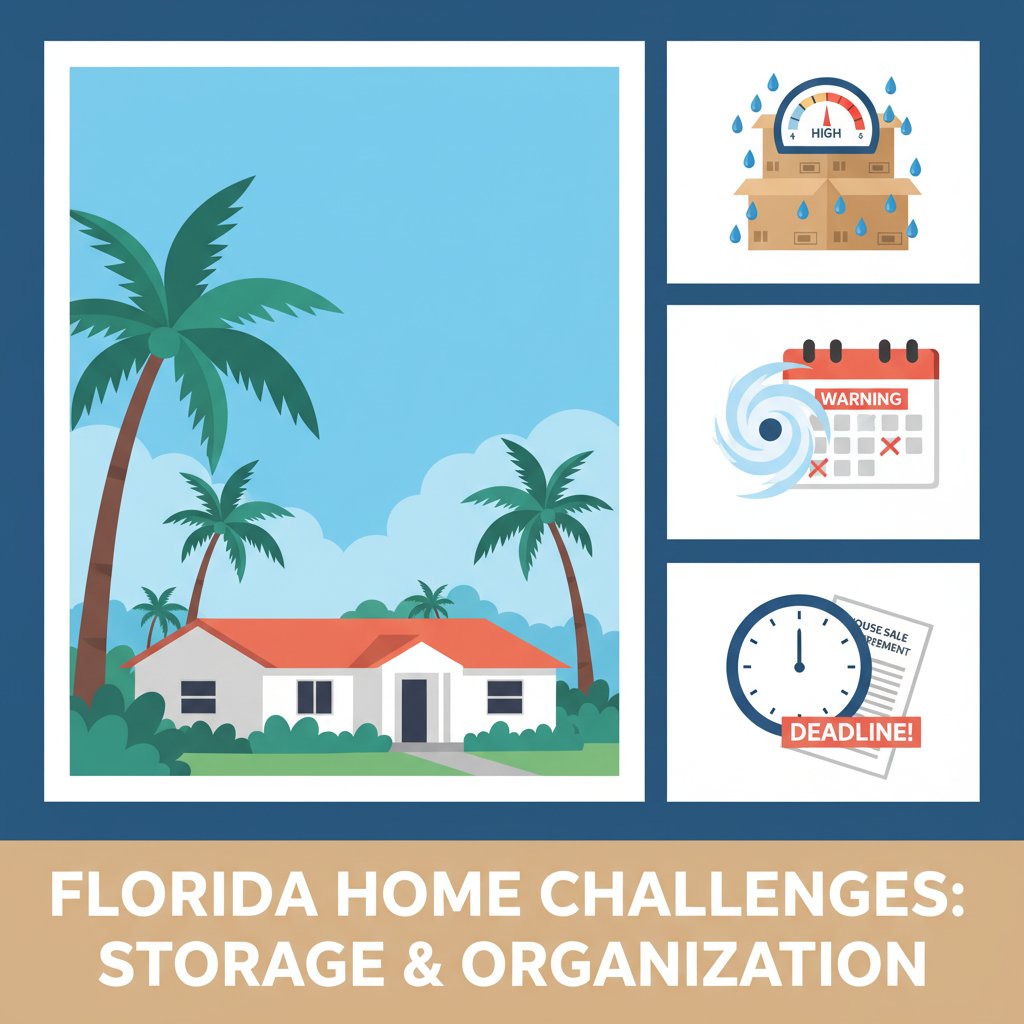
Florida homeowners face unique challenges when downsizing. High humidity levels can damage items in traditional storage units, hurricane season demands weather-resistant solutions, and the active real estate market often means tight timelines between selling your current home and closing on your new property. Additionally, many Florida homes accumulate beach equipment, outdoor furniture, and seasonal items that require thoughtful sorting and temporary storage solutions.
The gap between closing dates frequently leaves homeowners needing secure, accessible storage for weeks or even months. This is where portable storage rental becomes essential, offering flexibility that traditional storage facilities cannot match.
The 12-Week Downsizing Timeline
A structured timeline prevents last-minute chaos and ensures nothing important gets overlooked. This twelve-week approach breaks the downsizing process into manageable phases while incorporating strategic storage solutions.
Weeks 1-3: Assessment and Planning Phase
Begin by measuring your new space and creating a detailed floor plan. Walk through your current home room by room, measuring furniture and identifying what will physically fit in your new residence. This reality check prevents emotional attachment from overriding practical decisions.
Create four categories for every item: Keep and Move, Sell, Donate, and Store Temporarily. The storage category is crucial for items you’re not ready to part with but won’t need immediately, seasonal items, or belongings your adult children haven’t retrieved yet.
During this phase, research residential moving storage options. Moving storage containers delivered to your property offer significant advantages over driving back and forth to off-site facilities. Ground-level access eliminates the physical strain of ramps or elevators, which matters considerably when you’re sorting through decades of belongings.
Weeks 4-6: Sorting and Decision-Making
This phase requires the most emotional energy. Start with easier spaces like garages, attics, or storage rooms before tackling areas with sentimental items. Set daily goals: one closet, one set of kitchen cabinets, or one corner of the garage.
For items heading to temporary storage during move, consider future accessibility. Will you need these items within the next few months, or are they long-term storage candidates? Portable storage for moving allows you to pack items once and access them easily if plans change, without additional handling or transportation.
Involve family members in decisions about heirlooms or family items. Schedule specific times for adult children to collect belongings, or photograph items and create a digital catalog they can review remotely. Set firm deadlines—items not claimed by a specific date go into your storage container or get donated.
Weeks 7-8: First Round of Removal
Begin removing items from your home. Schedule donation pickups for furniture and household goods. List valuable items for sale on local marketplaces or consignment shops. Many South Florida consignment stores specialize in high-quality furniture and can handle the pickup and sale process.
This is the ideal time to arrange for moving storage containers. Having a container delivered to your driveway allows you to pack gradually rather than rushing everything into a rental truck on moving day. You can load items destined for storage, seasonal belongings, and furniture that won’t fit in your new home at your own pace.
Pack storage items properly for Florida’s climate. Use climate-appropriate packing materials, avoid cardboard directly on container floors where condensation might occur, and ensure adequate air circulation around stored items. Label boxes clearly with contents and intended destination: storage, new home, or donate.
Weeks 9-10: Deep Decluttering and Packing
With major items removed, focus on detailed sorting of remaining belongings. Kitchen items, closets, and personal collections require careful curation. Apply the one-year rule: if you haven’t used something in twelve months, it’s a storage or donation candidate.
Continue loading your temporary storage during move container. The beauty of portable storage rental is the flexibility—the container remains accessible in your driveway until you’re ready for transport. There’s no rushing to pack everything in a single day or making multiple trips to an off-site facility.
Begin packing items you’ll move directly to your new home. Keep these boxes separate and clearly labeled with destination rooms. Consider using a color-coding system: one color for storage, another for immediate move items.
Weeks 11-12: Final Preparations and Move
Complete final packing and handle last-minute details. Confirm your moving date and coordinate timing for your storage container to be relocated if you’re having it delivered to your new property, or arranged for secure storage if you need additional time.
Clean your home for the new owners and complete any required repairs. Having reduced your belongings significantly, this process becomes much easier with less to work around.
Schedule utility disconnections, mail forwarding, and address changes. Keep essential documents, medications, and valuables with you during the move rather than in the storage container or moving truck.
Strategic Storage Solutions for Florida Downsizing
When You Need Temporary Storage
Several scenarios make residential moving storage essential during downsizing:
- Your closing dates don’t align, creating a gap between homes
- Your new home needs renovations before you can move everything in
- You’re temporarily relocating with family while searching for the perfect smaller home
- You want to live in your new space before deciding what additional items will fit
- Adult children need time to retrieve their belongings
Traditional storage units require multiple trips for loading and unloading. Moving storage containers eliminate this inefficiency—pack once, and your items stay secure until you need them. The container can be delivered to your new property when you’re ready, allowing you to unpack at your own pace.
What Belongs in Temporary Storage
Strategic storage during downsizing should include:
- Seasonal items you won’t need for months (holiday decorations, winter clothing, beach equipment in off-season)
- Furniture pieces you’re undecided about until seeing your new space
- Sentimental items requiring more time to sort through properly
- Items for adult children or other family members
- Documents and records needing organization before permanent storage decisions
- Hobby or recreational equipment you use occasionally but don’t have space for immediately
Ground-Level Accessibility Matters
When you’re moving multiple times—from home to storage to new home—ground-level access significantly reduces physical strain and injury risk. Portable storage for moving eliminates stairs, steep ramps, or elevator waits. This accessibility proves especially valuable for downsizing seniors or anyone with mobility considerations.
The convenience of loading and unloading at your own pace, without driving across town, saves both time and energy during an already demanding process.
Protecting Your Belongings in Florida’s Climate
Florida’s humidity and heat require specific storage considerations. Even temporary storage during move demands proper protection:
- Use moisture absorbers in storage containers, especially for fabric items, documents, and electronics
- Avoid storing temperature-sensitive items during summer months without proper precautions
- Ensure furniture is clean and completely dry before storage to prevent mold growth
- Consider climate-controlled options for valuable or irreplaceable items
- Leave small gaps between boxes and items to allow air circulation
Quality storage containers provide weather-resistant protection against Florida’s occasional heavy rains and humidity. When selecting temporary storage during move solutions, verify the containers offer adequate weather protection.
Common Downsizing Mistakes to Avoid
Learning from others’ experiences can save considerable stress:
Starting Too Late: Downsizing takes longer than expected. Beginning twelve weeks before your move provides adequate time without constant pressure.
Underestimating Storage Needs: Most people require more temporary storage than initially anticipated. It’s better to have slightly more space than cramming items into an inadequate container.
Paying for Long-Term Storage of Items You’ll Never Use: If you haven’t accessed stored items after six months, seriously reconsider whether you need them. Storage should be transitional, not permanent for things you’ll never retrieve.
Choosing Storage Based Solely on Price: The cheapest option often creates additional costs through multiple trips, additional moving fees, or damaged belongings. Convenience and accessibility have real value.
Not Involving Family Early: Last-minute calls to adult children about collecting their belongings creates friction. Give plenty of advance notice with firm deadlines.
Making Your New Space Work
Once you’ve moved into your smaller Florida home, give yourself time before retrieving everything from storage. Live in the space for a few weeks to understand traffic patterns, storage capacity, and what you genuinely need. You may discover that items you thought essential remain unnecessary, while others become priorities for retrieval.
This approach prevents immediately cluttering your new home and allows thoughtful decisions about what truly enhances your downsized lifestyle.
Professional Support Makes the Difference
Downsizing represents a significant life transition. Having reliable storage partners with local expertise and proven experience makes the process considerably smoother. Companies with decades of logistics experience understand Florida’s unique requirements and can provide guidance tailored to your specific situation.
The right temporary storage during move solution offers flexibility, security, and convenience—allowing you to focus on the exciting aspects of your new chapter rather than logistics stress.
Ready to start your downsizing journey with a storage solution that adapts to your timeline? Contact Dash Mobile Storage to discuss your specific needs and timeline. Our team understands Florida downsizing challenges and can provide flexible residential moving storage solutions with the ground-level accessibility and local expertise your transition deserves.