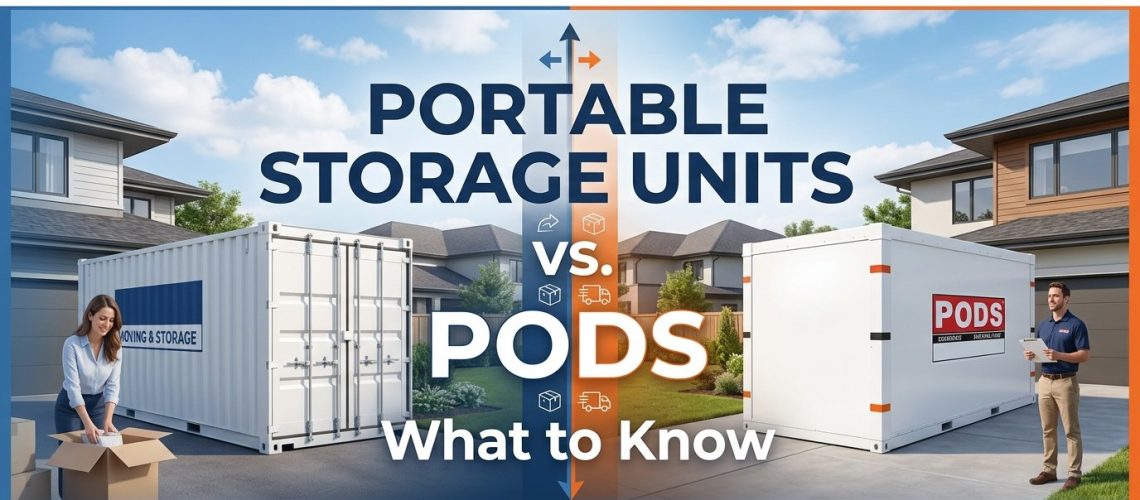
When choosing between portable storage solutions in Florida, understanding the differences between various options can save you time, money, and frustration. While “PODS” has become a household name—much like “Kleenex” for tissues—the term actually refers to a specific brand rather than a category of storage solutions. The reality is that numerous portable storage options exist, each with distinct features, pricing structures, and service models that may better suit your specific needs.
Let’s break down what Florida homeowners and businesses should consider when evaluating portable storage units, pods, and containers for their next project.
Understanding the Terminology
The portable storage industry uses several terms that often get used interchangeably, but understanding the distinctions helps you make informed decisions:
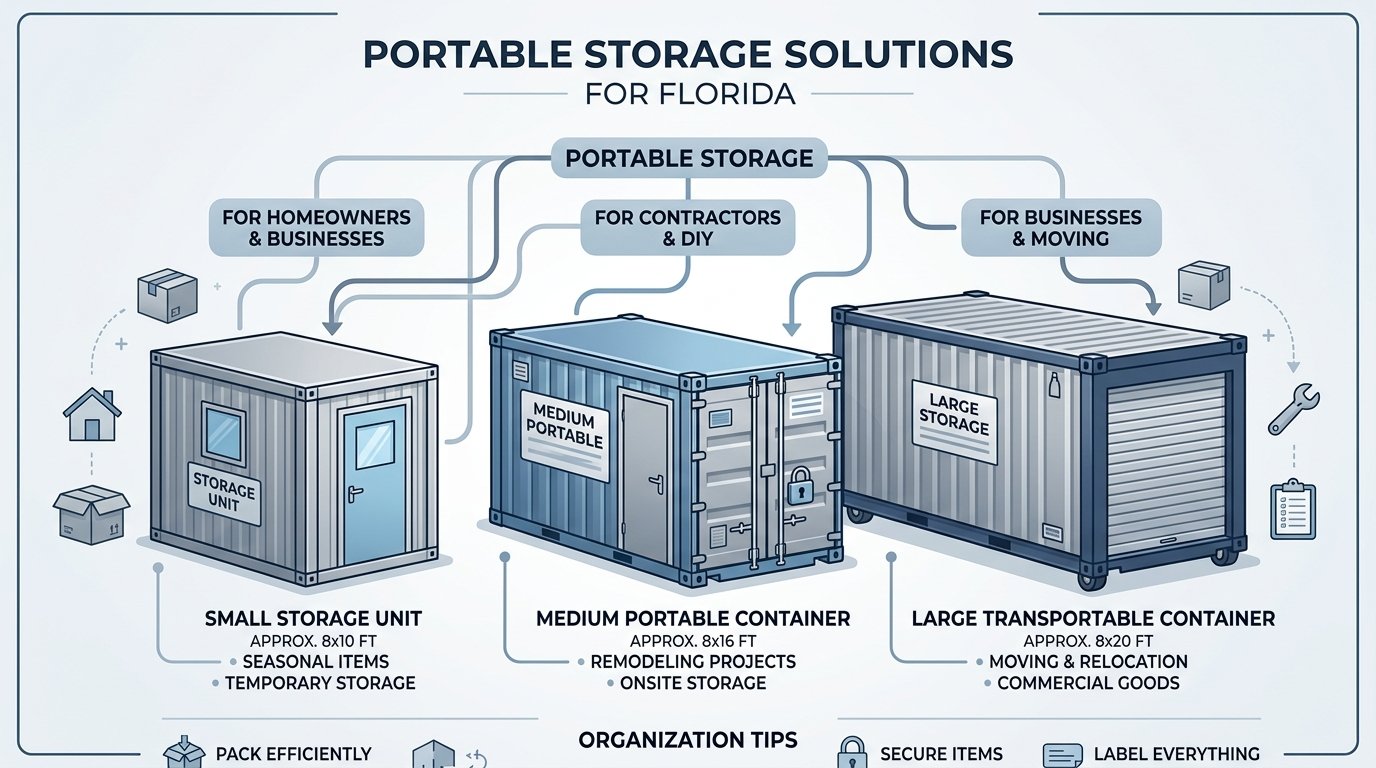
Portable Storage Units: This broad category encompasses any movable storage solution delivered to your location. These units come in various sizes, typically ranging from 8 to 20 feet in length, and can be made from different materials including steel, aluminum, or weather-resistant composite materials.
Portable Storage Pods: While often used generically, “pods” technically refers to PODS® brand containers. The term has become colloquialized to describe dome-shaped or rounded-top storage units, though many modern portable storage solutions feature traditional rectangular designs.
Portable Storage Containers: These typically describe steel or metal rectangular units that resemble small shipping containers. They’re known for durability and weather resistance, making them particularly suitable for Florida’s challenging climate conditions.
Mobile Storage Units: This term emphasizes the transportability aspect—units that can be delivered, picked up, and moved between locations as needed without requiring you to load and unload your belongings multiple times.
Key Differences Between Providers
Delivery and Accessibility
One of the most significant differences between portable storage rental options involves how units are delivered and accessed. National franchise brands typically use hydraulic lift systems that require significant overhead clearance and side space. This delivery method can pose challenges in Florida neighborhoods with mature tree canopies, low-hanging power lines, or limited driveway space.
Alternative portable storage units in Florida often feature ground-level delivery using tilt-bed technology. This approach requires less vertical clearance and allows for placement in tighter spaces—a crucial consideration in many South Florida and Treasure Coast residential areas where properties feature lush landscaping and established vegetation.
Ground-level accessibility also matters when loading and unloading. Walking directly into a storage unit at ground level eliminates the need for ramps, reduces injury risk, and makes moving heavy furniture or appliances significantly easier—especially important for Florida’s aging homeowner population and anyone managing a DIY move or renovation.
Size Options and Flexibility
Portable storage containers come in multiple size configurations. Common options include:
- 8-foot units: Ideal for small apartment moves, seasonal storage, or single-room renovations
- 12-foot units: Suitable for one to two-bedroom homes or small business inventory
- 16-foot units: Accommodates three-bedroom homes or larger commercial applications
- 20-foot units: Designed for whole-house moves, large-scale renovations, or construction site equipment
Some providers offer only limited size options, while others provide a full range. Consider your specific needs carefully—oversizing means paying for unused space, while undersizing may require renting multiple units.
Pricing Structure Transparency
The cost of portable storage rental varies significantly between providers and depends on several factors. National brands often advertise attractive introductory rates but may include additional charges for delivery, pickup, fuel surcharges, insurance requirements, and mileage fees if moving between locations.
Local and regional mobile storage units Florida providers frequently offer more straightforward pricing structures. Look for transparent quotes that clearly itemize:
- Initial delivery fee
- Monthly rental rate
- Pickup or redelivery charges
- Any distance-based fees for moves
- Lock and security deposit requirements
For Florida residents planning extended storage during hurricane season or lengthy renovation projects, understanding the total cost over your anticipated rental period—not just the monthly rate—provides a more accurate comparison.
Florida-Specific Considerations
Hurricane Preparedness and Weather Resistance
Florida’s hurricane season runs from June through November, making weather resistance a critical factor when selecting portable storage units. All-steel construction offers superior protection against wind and water compared to composite materials or fabric-sided units.
During hurricane warnings, secured portable storage containers placed on stable, level ground typically fare well. However, check with your provider about their hurricane policies—some require pickup before storms, while others allow units to remain on-site if properly secured. Understanding these policies before rental prevents last-minute scrambling during storm preparations.
Humidity and Climate Control
Florida’s high humidity levels pose challenges for stored items, particularly electronics, documents, wooden furniture, and fabrics. While most portable storage pods lack active climate control, several strategies protect your belongings:
- Choose steel containers that minimize moisture penetration
- Use moisture-absorbing products like desiccants or dehumidifying bags
- Elevate items off the container floor using pallets or shelving
- Avoid storing temperature-sensitive items during summer months
- Consider placement in shaded areas to reduce internal temperature buildup
For items requiring true climate control, discuss options with providers who may offer units with ventilation systems or recommend alternative storage facilities.
Permitting and HOA Requirements
Many Florida municipalities and homeowners associations regulate portable storage placement on residential properties. Requirements vary widely but may include:
- Time limits for how long units can remain on property (often 30-90 days)
- Placement restrictions (side yards, driveways only, or setback requirements)
- Permit fees or advance approval processes
- Aesthetic requirements (color, screening from street view)
Before scheduling delivery, verify local regulations and HOA rules to avoid fines or forced removal. Reputable mobile storage units Florida providers can often advise on common requirements in your area based on their delivery experience.
Use Case Scenarios: Which Option Fits Your Needs?
Residential Moves and Renovations
For homeowners managing moves or renovations, portable storage containers offer flexibility that traditional moving trucks and storage facilities cannot match. You load once, and the unit stays accessible throughout your project—no multiple trips to an off-site storage facility.
Ground-level portable storage units particularly benefit Florida homeowners with tile or hardwood flooring who want to minimize risks when moving heavy items. The absence of ramps reduces the likelihood of dropped furniture that could damage both belongings and flooring.
Construction and Contractor Applications
Construction professionals throughout South Florida and the Treasure Coast increasingly rely on on-site portable storage rental for tools, equipment, and materials. Benefits include:
- Reduced theft risk compared to leaving materials exposed
- Protection from sudden rainstorms common in Florida
- Convenient access without trips to off-site storage
- Professional appearance that satisfies client expectations
For contractors, working with providers who have logistics expertise—such as companies with decades of experience in transportation and delivery—ensures reliable service that won’t disrupt project timelines.
Business Inventory and Seasonal Storage
Small to medium-sized businesses use portable storage units for various applications: restaurants store equipment during renovations, retailers manage seasonal inventory overflow, and service businesses secure tools and supplies. The ability to have storage delivered precisely when needed—and removed when it’s not—provides cost advantages over permanent facility leases.
Questions to Ask Before Renting
When evaluating portable storage pods and container options, ask providers these essential questions:
- What is the total cost for my anticipated rental period, including all fees?
- How is delivery performed, and what site requirements exist?
- What are your policies during hurricane warnings?
- Can I change my pickup date if my project timeline shifts?
- What insurance coverage is included or required?
- Are locks provided, or must I supply my own?
- What happens if I need the unit moved to a different location?
- Do you offer discounts for long-term rentals or multiple units?
The Local Advantage
While national portable storage brands offer name recognition, local and regional providers often deliver superior service for Florida customers. Companies with deep roots in the community understand local challenges—from navigating narrow streets in historic neighborhoods to timing deliveries around afternoon thunderstorms.
Providers backed by established logistics operations bring additional advantages. For example, companies with heritage in transportation and delivery services—spanning 70 or more years—offer reliability that newer market entrants cannot match. This experience translates to better route planning, more skilled drivers, and customer service teams who solve problems rather than reading from scripts.
Making Your Decision
Choosing between portable storage units ultimately depends on your specific situation. Consider these factors:
- Project timeline: Short-term needs may prioritize convenience, while long-term projects warrant careful price comparison
- Access requirements: Frequent access favors on-site placement; occasional access may allow off-site storage facility options
- Budget constraints: Request detailed quotes from multiple providers and compare total costs
- Site limitations: Evaluate your property’s accessibility for different delivery methods
- Contents value: High-value items may justify premium security features
Get the Storage Solution That Works for You
Whether you’re planning a move, managing a renovation, or need secure on-site storage for your business, understanding the differences between portable storage options empowers you to make the right choice. Don’t let brand names or flashy advertising distract from what matters: reliability, accessibility, fair pricing, and responsive customer service.
Ready to explore portable storage containers for your project? Contact local providers who understand Florida’s unique challenges and can deliver the convenient, secure storage solutions you need. Ask detailed questions, compare comprehensive quotes, and choose the partner who demonstrates genuine commitment to making your project succeed.