A contractor loses $12,000 in tools overnight from an unsecured job site. A restaurant owner discovers inventory missing mid-renovation. A retail business finds equipment damaged after a storage mishap. These scenarios happen more often than business owners expect—and they’re largely preventable with the right approach to portable storage security.
For South Florida and Treasure Coast businesses relying on portable storage units, protecting inventory isn’t just about locking a door. It’s about a layered strategy that addresses placement, access control, environmental protection, and operational habits. Here’s what businesses need to know.
Why Business Inventory Security Deserves Serious Attention
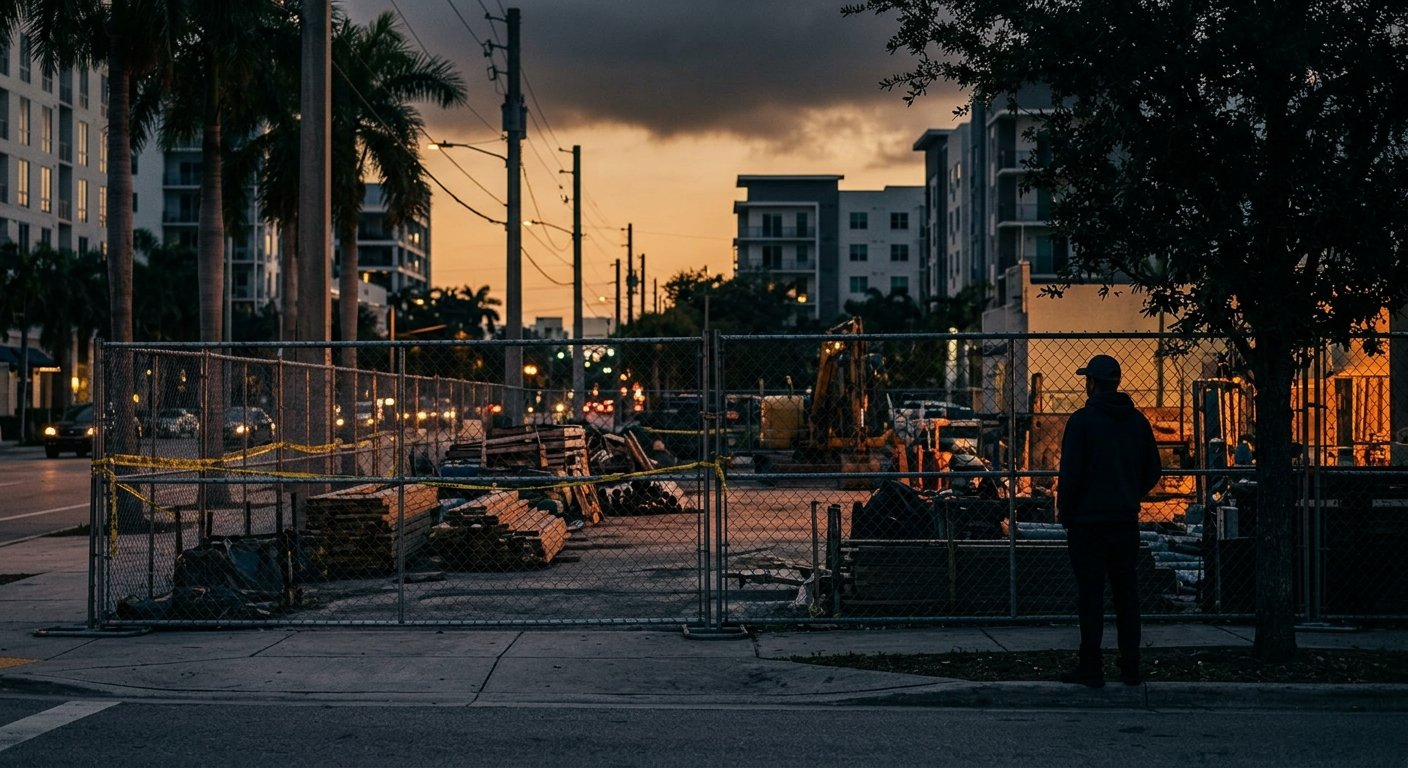
Commercial theft is a significant concern across Florida. According to the FBI’s Uniform Crime Reporting program, property crime remains one of the most common categories affecting businesses nationwide, with construction sites and temporary storage locations being particularly vulnerable targets.
For businesses using on-site storage containers during renovations, construction projects, or inventory overflow periods, the risk factors multiply. Multiple workers may access the unit daily, the container may sit in a semi-public location, and valuables inside can be difficult to monitor around the clock.
The good news: portable storage security doesn’t require sophisticated technology or a massive budget. It requires intentional planning from day one.
Choosing the Right Container for the Job
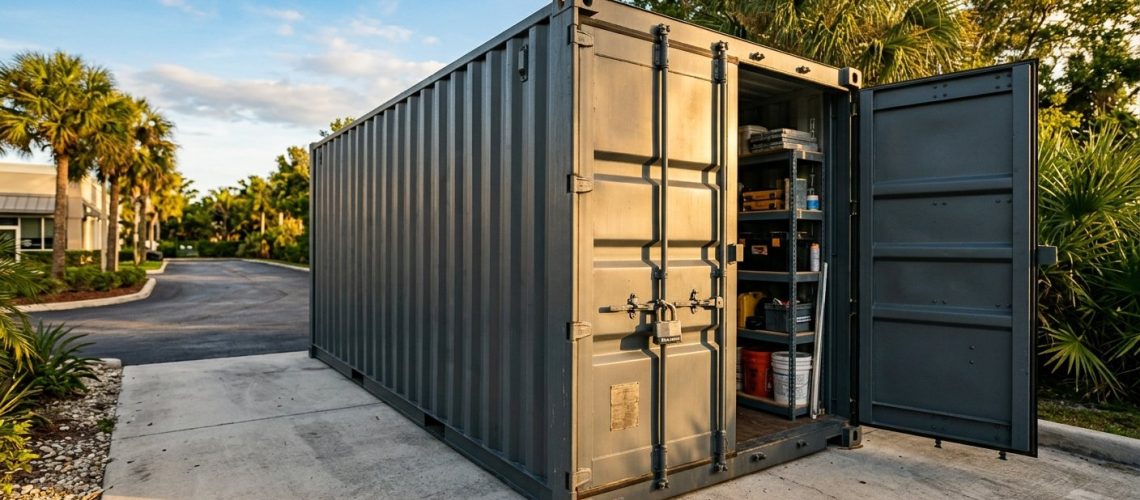
Not all portable storage containers offer the same level of protection. When evaluating options for business inventory, look for these structural characteristics:
- Heavy-gauge steel construction: Resists forced entry attempts far better than lighter alternatives
- Secure locking mechanisms: Puck-style or disc locks that don’t expose the shackle are significantly harder to cut
- Solid door hinges: Exposed hinges are a common vulnerability on lower-quality containers
- Weather-resistant seals: Protect inventory from rain intrusion, humidity, and wind-driven debris
- Ground-level access: Eliminates the need for ramps or lifts, reducing the time inventory is exposed during loading and unloading
Dash Mobile Storage’s ground-level accessible units are designed with business use in mind—making it faster and safer to move inventory in and out while maintaining structural integrity throughout. Backed by 70+ years of logistics experience through the Armellini Logistics heritage, the units are built to handle the demands of commercial operations.
Strategic Placement: Location Is a Security Decision
Where you position your on-site storage container matters as much as what locks you use. Poor placement creates blind spots and opportunities for theft that good locks can’t fully compensate for.
High-Visibility Positioning
Place the container where it falls within natural sightlines—near a staffed office trailer, facing a main entrance, or in a well-lit area that’s visible from the street. Visibility is one of the most effective deterrents to opportunistic theft.
Lighting Coverage
If your container will be on-site overnight or through weekends, ensure the surrounding area has adequate lighting. Motion-activated lights are particularly effective because they draw attention to movement without requiring constant power consumption.
Controlled Access Zones
For construction sites and commercial properties, consider positioning storage containers within a fenced perimeter or alongside other secured structures. Limiting the number of entry points to the area where your container sits reduces exposure significantly.
Avoid Isolated Corners
Placing a storage unit in a back corner away from foot traffic may feel intuitive, but it often creates an unsupervised zone where unauthorized access goes unnoticed. Balance privacy with visibility.
Access Control Best Practices for Business Storage
One of the most overlooked security vulnerabilities for business inventory is internal—too many people have access with too little accountability. Establishing clear access protocols protects your inventory from both external theft and accidental loss.
- Limit key holders: Only designated supervisors or managers should hold keys or combination codes. The fewer people with access, the easier it is to trace issues.
- Log access: For higher-value inventory, maintain a simple sign-in sheet or digital log tracking who accessed the container and when.
- Rotate codes periodically: If you use combination or electronic locks, change codes when employees leave or at the end of each project phase.
- Conduct regular inventory checks: Brief weekly walkthroughs help catch discrepancies early before small losses become significant ones.
- Brief your team: Make sure everyone on-site understands that the storage container should remain locked when not actively in use—even during busy work periods.
Florida-Specific Considerations for Business Storage Security
Operating in South Florida introduces environmental factors that directly affect inventory protection. Security isn’t purely a physical threat issue here—humidity, heat, and severe weather create their own risks.
Humidity and Heat Management
Florida’s subtropical climate means temperatures inside a steel container can climb significantly during summer months. For sensitive inventory—electronics, documents, certain materials—consider how container placement affects heat absorption. Units positioned to avoid direct afternoon sun experience lower interior temperatures.
Humidity is equally important. The National Oceanic and Atmospheric Administration consistently ranks Florida among the most humid states in the nation. Use desiccant packets or moisture-absorbing products inside containers storing materials susceptible to moisture damage, such as paper goods, fabrics, or wood-based products.
Hurricane Preparedness
During hurricane season, which runs from June through November, businesses storing inventory in portable storage containers should have a preparedness plan in place. This includes:
- Securing the container to prevent movement during high winds where possible
- Elevating valuable inventory within the unit if flooding is a concern in your specific location
- Documenting inventory with photos for insurance purposes before storm season intensifies
- Coordinating with your storage provider about unit retrieval or repositioning protocols ahead of named storms
While no storage solution can guarantee complete protection from a direct hurricane strike, proactive preparation significantly reduces potential losses.
Pest Prevention
South Florida’s warm, humid environment is also hospitable to insects and rodents. Ensure door seals are intact and consider placing pest deterrents inside units storing food service inventory, restaurant supplies, or organic materials.
Insurance and Documentation: The Security Layer People Forget
Physical security measures address the threat of theft and environmental damage, but documentation protects your business when something does go wrong. Before loading your portable storage container, take these steps:
- Photograph all inventory: Date-stamped photos create a clear record of what was stored and its condition
- Maintain an itemized inventory list: Include descriptions, quantities, and estimated values
- Verify your business insurance coverage: Confirm whether your existing commercial property policy covers inventory stored in off-site or on-site portable containers
- Review vendor agreements: Understand the terms of your storage rental agreement and what responsibilities fall to each party
Taking 30 minutes to document before you store can save weeks of headaches during an insurance claim.
Matching Security to Your Business Type
Different business types have different security priorities. Here’s how the approach shifts across common use cases:
Construction Contractors
Tools and materials are high-value targets. Prioritize heavy-duty locks, perimeter fencing, and strict key control. Consider tool-specific organization within the container so missing items are immediately obvious.
Retailers and Product Businesses
Seasonal overflow inventory benefits from organized shelving systems inside the container, making inventory counts faster and more accurate. Pair physical security with regular counts aligned to your sales cycle.
Restaurants and Food Service
During renovations, kitchen equipment and smallwares need both security and humidity protection. Work with your storage provider to understand container placement options that minimize heat exposure.
Event Planners and Property Managers
Event equipment and furnishings stored between events should be inventoried carefully. Ground-level accessible units make it significantly easier to load and unload without damage—an often overlooked security factor since damaged goods represent a financial loss regardless of cause.
Whatever your industry, relocation and temporary storage solutions work best when security planning is integrated from the start, not added as an afterthought.
Frequently Asked Questions
What type of lock works best for portable storage containers?
Puck locks and disc locks are widely recommended for portable storage containers because the shackle is enclosed or recessed, making it extremely difficult to cut with standard bolt cutters. Pair a quality lock with a hardened steel hasp for added protection.
Can portable storage containers handle Florida’s humidity?
High-quality portable storage containers are designed with weather-resistant seals that limit moisture intrusion. For additional protection of humidity-sensitive inventory, using desiccant products inside the unit is a practical and affordable measure.
How do I secure a portable storage container on a construction site?
Position the container within a fenced, well-lit perimeter. Use a quality puck or disc lock, limit key holders to supervisors, and conduct regular inventory checks. Motion-activated lighting surrounding the area adds another deterrent layer.
Does my business insurance cover inventory in a portable storage container?
Coverage varies by policy. Review your commercial property policy carefully and speak with your insurance provider to confirm whether inventory stored in portable containers—whether on your property or a job site—falls within your existing coverage.
What should I do with my storage container before a hurricane?
Contact your storage provider as early as possible to discuss options for securing or repositioning the unit. Photograph your inventory, elevate sensitive items if flooding is a local concern, and ensure your insurance documentation is current and accessible.
Partner With a Provider Who Understands Florida Business Storage
Protecting business inventory in portable storage containers comes down to layered preparation: the right container, smart placement, disciplined access control, environmental awareness, and solid documentation. None of these steps are complicated, but together they make a meaningful difference.
Dash Mobile Storage brings 70+ years of logistics expertise to South Florida and Treasure Coast businesses that need dependable, ground-level accessible storage solutions. Whether you’re managing a construction project, navigating a business renovation, or organizing seasonal inventory, our local team understands the specific challenges Florida presents.
Ready to secure your business inventory? Contact Dash Mobile Storage today to discuss the right portable storage solution for your operation.