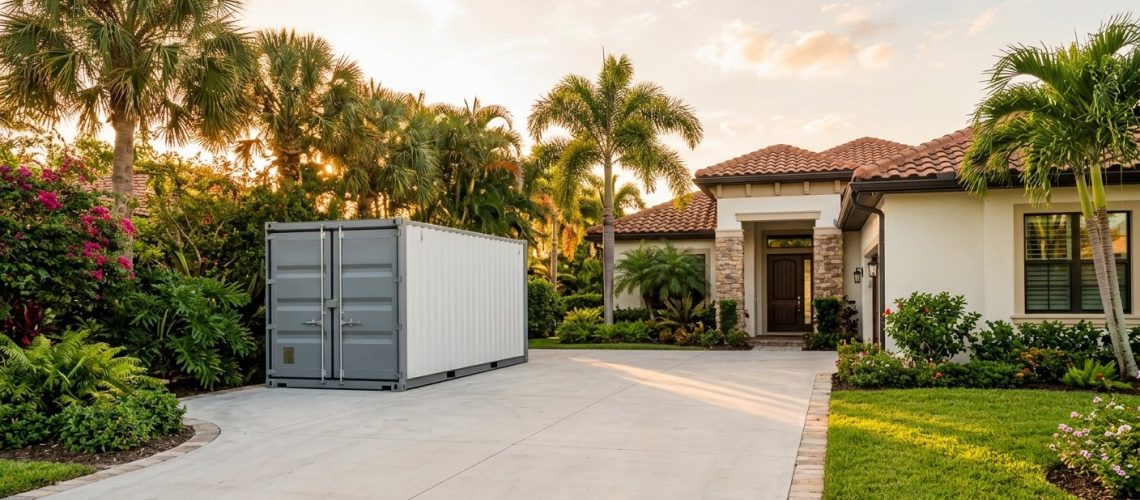
You’ve scheduled your portable storage container, your move or renovation is on the calendar, and now you’re wondering: is my property actually ready for delivery day? It’s a question more homeowners and contractors overlook than you’d expect. A little preparation goes a long way toward making sure your on-site storage container lands exactly where you need it, stays stable throughout its time on your property, and gets picked up without a hitch.
Whether you’re staging a home sale in Palm Beach County, organizing a job site in Martin County, or preparing for a business renovation along the Treasure Coast, these steps will help you get the most out of your portable storage rental.
Understand What the Delivery Crew Needs
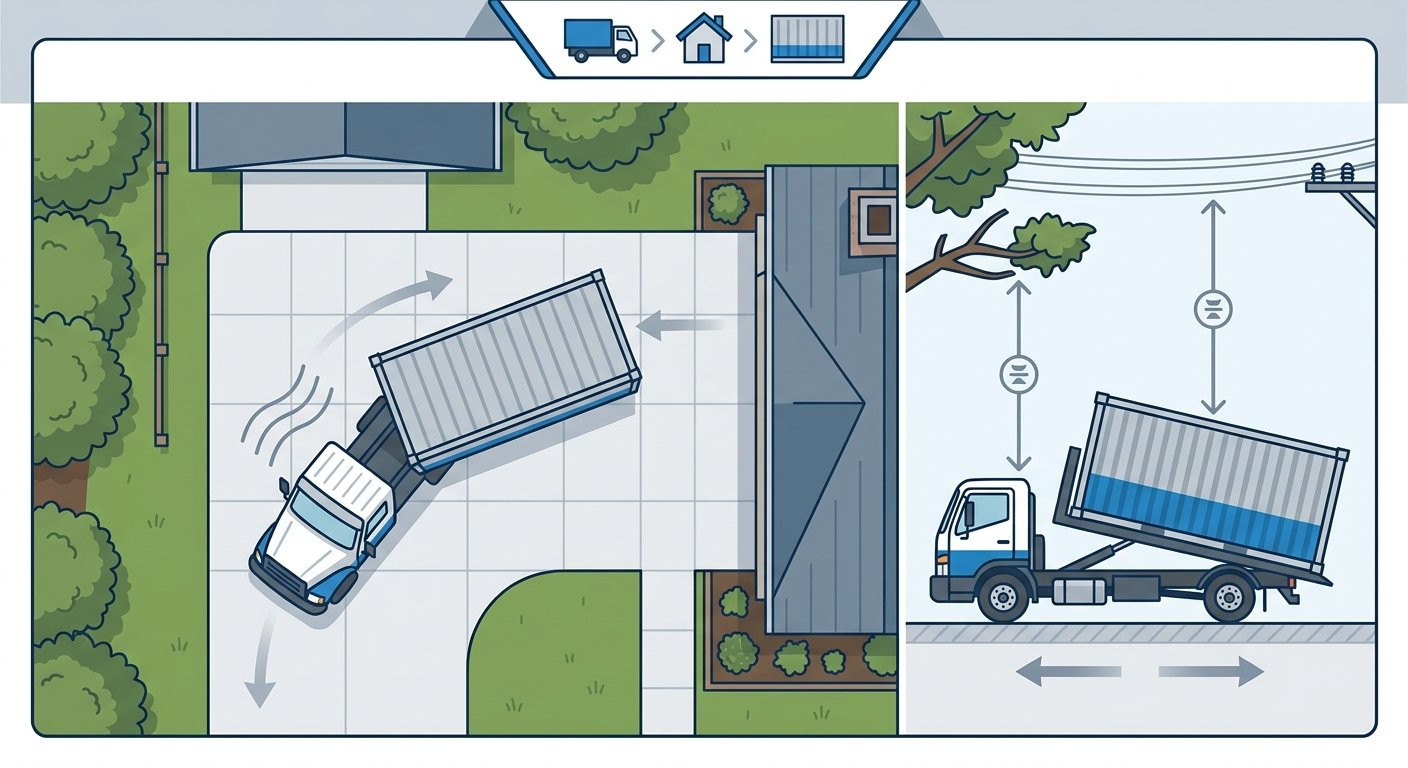
Portable storage containers are large, heavy units delivered by truck. That means the driver needs sufficient space to maneuver, position, and set down the unit safely. Before your delivery date, walk the proposed drop zone with these specifics in mind:
- Overhead clearance: Look for low-hanging tree branches, power lines, awnings, or roof overhangs. Most delivery trucks require at least 14 feet of vertical clearance along the full length of the intended path.
- Width clearance: The truck needs adequate width to pull in, swing, and back up. A standard residential driveway typically works, but narrow driveways with tight turns can create access challenges.
- Path to placement: The entire route from street to placement spot should be free of vehicles, lawn furniture, landscaping décor, or construction debris.
When in doubt, measure twice. Then call your storage provider to confirm those measurements work for their specific equipment. The team at Dash Mobile Storage can help you think through placement logistics before delivery day so there are no surprises.
Choose the Right Surface for Your Unit
Ground-level accessible storage units are one of the most practical advantages of mobile storage over traditional facilities — but that ground-level access also means the surface beneath the unit matters. In Florida’s climate, this deserves extra thought.
Best Surfaces for Placement
- Concrete or asphalt driveways: The most reliable option. These surfaces are firm, level, and drain well.
- Compacted gravel: Works well for job sites and rural properties, though some settling may occur over time.
- Hard-packed dirt or grass: Acceptable for short-term rentals, but can shift after heavy rain. Not ideal during South Florida’s wet season.
Surfaces to Avoid
- Soft or recently saturated soil, especially after rain
- Lawn areas with irrigation systems or buried utilities running directly beneath
- Slopes with more than a few degrees of incline — containers must rest on level ground
- Pavers or decorative stone that may crack or shift under weight
Florida’s rainy season (typically June through September, according to the National Weather Service) can quickly saturate soil and affect surface stability. If your delivery falls during this period, prioritize a paved surface whenever possible.
Mark Utilities and Underground Lines
Before any heavy equipment sits on your property, check for underground utilities. This is a step many homeowners skip — and it can lead to costly damage.
In Florida, you can request a free utility locate service by calling 811 before your delivery. The Call 811 service coordinates with utility companies to mark underground gas, water, electrical, and cable lines on your property, usually within a few business days. This is a free service and helps protect both your property and the delivery crew.
For contractors and project managers using on-site storage containers at active construction sites, this step is already part of your standard pre-dig protocol — but it applies equally to residential properties, especially if you’re placing a unit on a side yard or lawn area you haven’t used before.
Measure Your Placement Area
One of the most common delivery-day headaches is a placement area that looks spacious but actually falls short. Mobile storage units florida homeowners most commonly rent come in varying lengths — typically ranging from 8 to 20 feet or more. Add a few feet on each end for maneuvering during delivery and pickup, and additional space along the sides for loading access.
A practical rule of thumb:
- For a 16-foot unit, plan for at least 20–22 feet of length in your placement area
- Leave 4–5 feet of clearance on the door side for comfortable loading and unloading
- Ensure a few feet of space on the remaining sides for airflow and drainage
If you’re not sure whether your driveway or property can accommodate your unit, discuss it directly with your storage provider before finalizing your order. With Dash Mobile Storage’s ground level storage approach, the focus is on making loading and unloading as simple as possible — but that requires the right setup on your end too.
Prepare for Florida-Specific Conditions
Storing belongings in South Florida means dealing with humidity, heat, and the occasional severe weather event. While no storage container eliminates all environmental risk, thoughtful placement and preparation can significantly reduce exposure.
Humidity and Ventilation
Florida’s humidity can accelerate moisture damage to furniture, electronics, documents, and fabrics. When packing your portable storage containers, consider these protective steps:
- Use moisture-absorbing products (silica gel packets or desiccant packs) inside boxes
- Wrap upholstered furniture in breathable covers rather than sealed plastic, which traps moisture
- Elevate sensitive items off the floor using pallets or sturdy shelving
- Ensure the unit door is fully closed and secured after each access
Hurricane Preparedness
If you’re using portable storage rental during Atlantic hurricane season (June 1 through November 30), have a plan. According to the Federal Emergency Management Agency (FEMA), advance planning is one of the most effective ways to reduce hurricane-related losses.
For storage container use during hurricane season, consider:
- Avoiding placement in low-lying areas prone to standing water or flooding
- Keeping the unit on concrete or asphalt rather than soft ground
- Removing irreplaceable items from the unit if a storm is approaching
- Discussing your specific situation with your storage provider — Dash Mobile Storage can advise on best practices based on local conditions
It’s worth noting that no portable storage unit should be considered a permanent shelter for valuables during a direct hurricane strike. Use common sense and relocate critical items if severe weather threatens your area.
Communicate Clearly With Your Storage Provider
A smooth delivery depends on clear two-way communication. When you book your portable storage rental, be upfront about:
- Any access restrictions, like HOA rules about units on the street or driveway
- Gate codes or entry requirements for gated communities or business properties
- Specific placement preferences (e.g., left side of driveway, near garage door)
- Any known property features that might affect delivery, such as low-hanging trees or a circular driveway
Backed by 70+ years of logistics experience through the Armellini Logistics heritage, the Dash team brings real-world delivery expertise to every drop-off — but your local knowledge of the property is just as valuable. The more context you provide upfront, the smoother delivery day goes.
Day-of Checklist for Property Readiness
Use this quick checklist on delivery day to confirm you’re fully prepared:
- ✅ Driveway or placement area cleared of vehicles, toys, and debris
- ✅ Overhead clearance confirmed (branches trimmed, no low-hanging lines)
- ✅ Underground utilities marked (811 called at least 3 business days prior)
- ✅ Surface is firm, level, and draining properly
- ✅ Someone is available on-site or reachable by phone during delivery window
- ✅ Gate codes or entry access provided to delivery team
- ✅ HOA or property management informed if required
Frequently Asked Questions
How much space does a portable storage unit delivery truck need?
Delivery trucks typically require at least 14 feet of vertical clearance and enough width and length to maneuver safely. For most residential driveways, this is achievable, but tight or curved driveways may require an alternative placement spot. Always confirm specific requirements with your provider before delivery day.
Can I place an on-site storage container on my lawn in Florida?
Short-term placement on firm, level lawn is possible, but it’s not ideal during Florida’s rainy season when soil can saturate quickly. Paved surfaces are strongly preferred. Avoid placement over irrigation lines, buried utilities, or areas with known drainage issues.
Do I need to be home for the storage unit delivery?
It’s highly recommended. Being present allows you to confirm exact placement, address any last-minute access issues, and communicate directly with the delivery team. If you can’t be there, ensure someone you trust is available and that detailed placement instructions have been provided in advance.
What should I do if my HOA has rules about storage containers?
Review your HOA guidelines before booking, as some associations restrict the duration, placement, or visibility of containers on residential properties. In many cases, side-yard or backyard placement satisfies HOA requirements. Your provider can help you identify options that work within those constraints.
How do I protect my belongings from humidity inside the unit?
Use desiccant packs inside boxes, wrap fabric items in breathable covers, elevate items off the floor, and keep the unit sealed when not in active use. Thoughtful packing combined with a well-placed, properly ventilated unit goes a long way in Florida’s humid conditions.
Ready to Schedule Your Delivery?
Getting your property ready for a storage container delivery doesn’t require a major time investment — just a bit of planning. Confirm your surface, clear your access path, check for utilities, and communicate the details with your provider. That’s the foundation for a stress-free experience.
Whether you’re exploring portable storage units for a home project, need on-site storage for a construction site, or are coordinating relocation services for a upcoming move, Dash Mobile Storage is ready to help South Florida and Treasure Coast residents and businesses get organized. Reach out today to discuss your project, confirm site requirements, and get your delivery scheduled.